The Permanent Representative, Tamila Tasheva, held a meeting with a delegation of Brazilian and Hungarian journalists, writers, and human rights activists who visited Ukraine as part of the In Solidarity With Ukraine program, organized by PEN Ukraine.
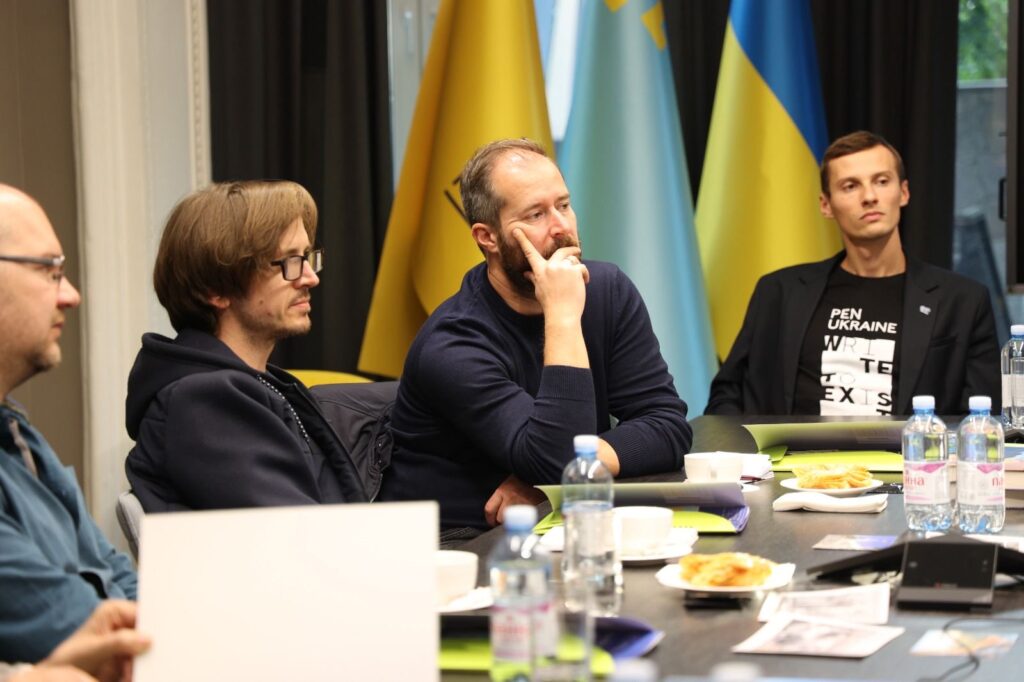
The delegation included: Dénes Krusovszky — a Hungarian poet, novelist, and essayist; Márton Jankovics — journalist and culture editor at 24.hu; Gábor Polyák — professor of media law. Also attending were guests from Brazil: journalist Sylvia Colombo and writer and journalist Lucas Figueiredo.
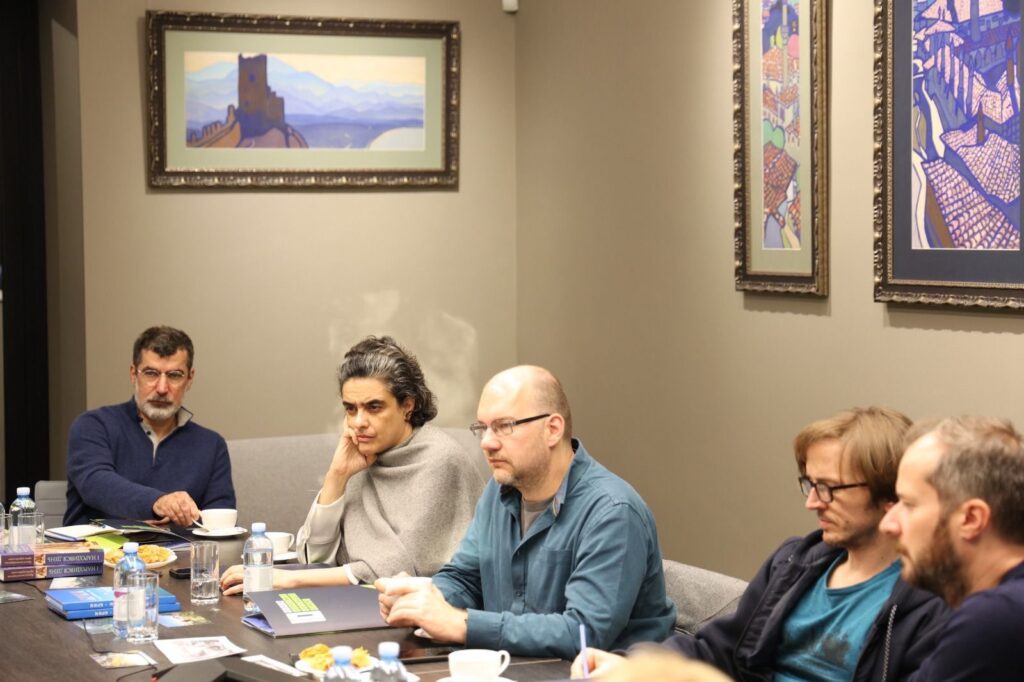
Tamila Tasheva briefed the delegation on the activities of the Mission and the Crimea Platform Office, the situation in occupied Crimea, and the importance of the peninsula’s de-occupation to ensure security not only in Ukraine but in the entire Black Sea region. During the meeting, Tamila Tasheva emphasized the systematic human rights violations in occupied Crimea, as Russian forces persecute Ukrainian citizens for any expression of solidarity with Ukraine, illegally imprison Ukrainians and Crimean Tatars, and carry out unlawful searches and arrests. She also spoke about the active propaganda conducted by the Russian occupiers to militarize the minds of not only the adult population of the peninsula but also children. Tamila Tasheva stressed the importance of preparing for the de-occupation of the peninsula not only kinetically but also cognitively, considering the long period of occupation and the measures the occupiers have taken to alter the consciousness of Ukrainian citizens.
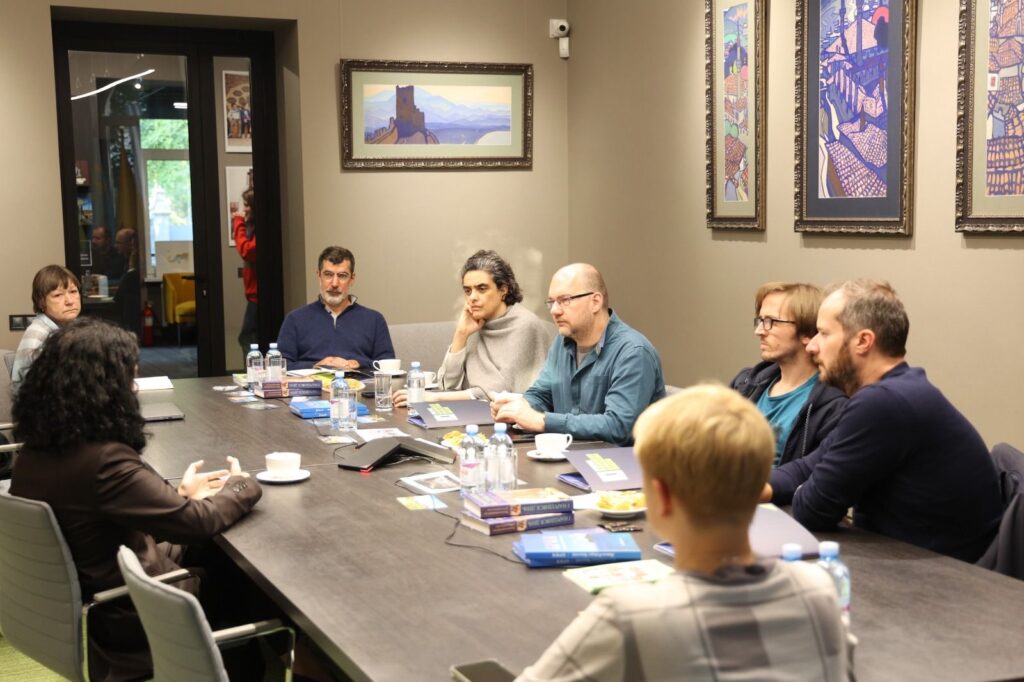
During the discussion, the delegation expressed interest in the challenges of preserving Ukrainian and Crimean Tatar cultural heritage in the occupied territory of Crimea. The Permanent Representative noted that the occupiers are actively destroying historical and cultural landmarks, such as the Khan’s Palace in Bakhchysarai and the archaeological site of Chersonesus Taurica, which is listed as a UNESCO World Heritage Site. The occupiers are doing this to erase any reminders of Crimean Tatar or Ukrainian identity in Crimea. Tamila Tasheva also highlighted that the occupiers are engaging in religious persecution. For example, the activities of the Crimean Diocese of the Orthodox Church of Ukraine (OCU) were effectively halted after the occupation due to persecution and pressure from the Russian invaders. Metropolitan Klyment of Simferopol and Crimea was forced to leave the peninsula after the full-scale invasion began due to threats from the occupiers.