Today, Deputy Permanent Representative Denys Chystikov and Head of the Information Department of the Mission, Yevhen Bondarenko, participated in the meeting of the Coordination Council on the Promotion of Ukrainian National and Civic Identity. The meeting was chaired by the Minister of the Cabinet of Ministers of Ukraine, Oleh Nemchinov, with the participation of the Ministry of Youth and Sports.
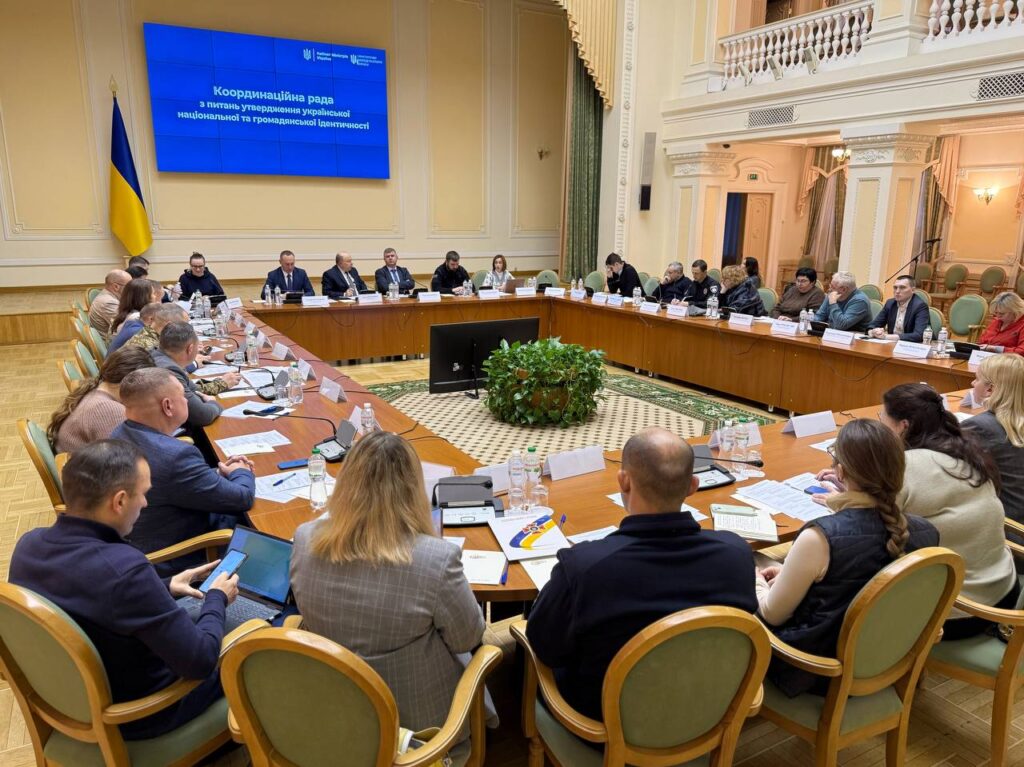
During the session, the Coordination Council discussed key issues aimed at strengthening Ukrainian identity as a vital element of state policy. Participants reviewed achievements in this area, identified major challenges, and outlined prospects for further development. Special attention was given to fostering national consciousness, particularly through the promotion of Ukrainian culture, language, history, and traditions, which serve as the foundation of national unity and solidarity.
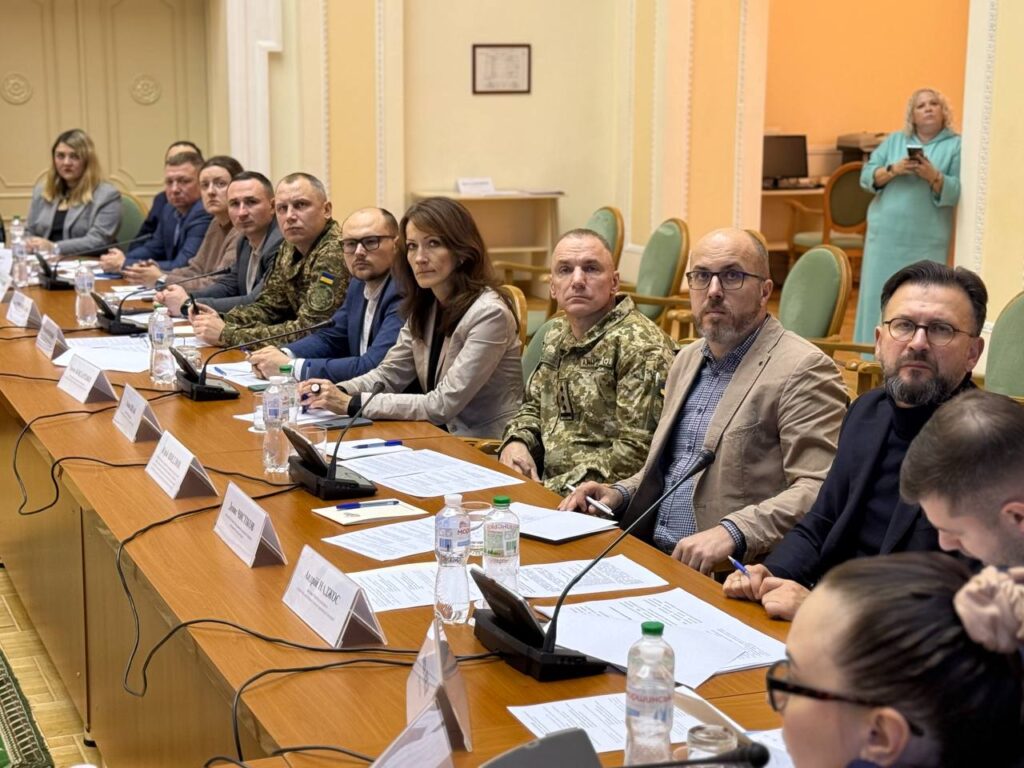
Representatives of the Mission emphasized the importance of engaging youth in these processes, highlighting the need for consistent efforts to popularize Ukraine’s cultural heritage and that of its Indigenous peoples. This includes supporting educational, informational, and cultural initiatives aimed at deepening national and civic identity.
Particular emphasis was placed on strengthening civic resilience and enhancing the activities of public institutions, which play a crucial role in fostering a conscious and cohesive society. In this context, the importance of Ukrainian culture was highlighted as not only preserving national identity but also serving as a unifying force. It contributes to the promotion of Ukrainian traditions, the formation of a positive international image of the country, and the reinforcement of civic resilience in the challenging conditions of the modern world.
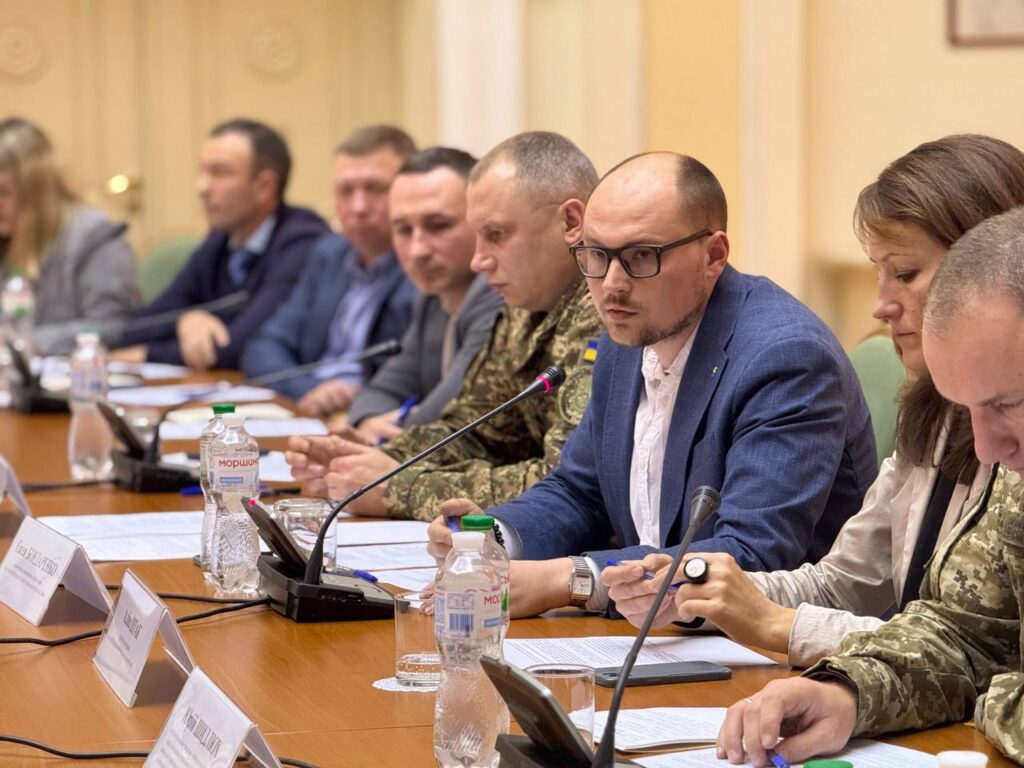
In conclusion, the participants underscored that the development of Ukrainian national and civic identity and the active engagement of Indigenous peoples remain strategic priorities. These efforts will enhance statehood, societal cohesion, and Ukraine’s resilience in the face of external challenges, requiring coordinated interaction between government institutions and civil society.