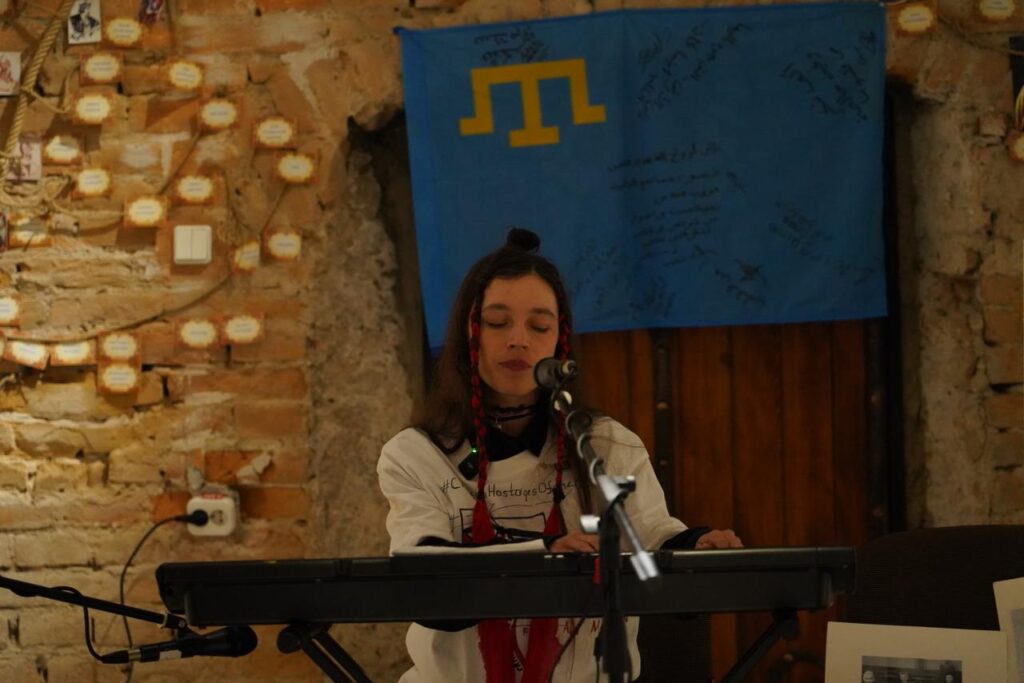
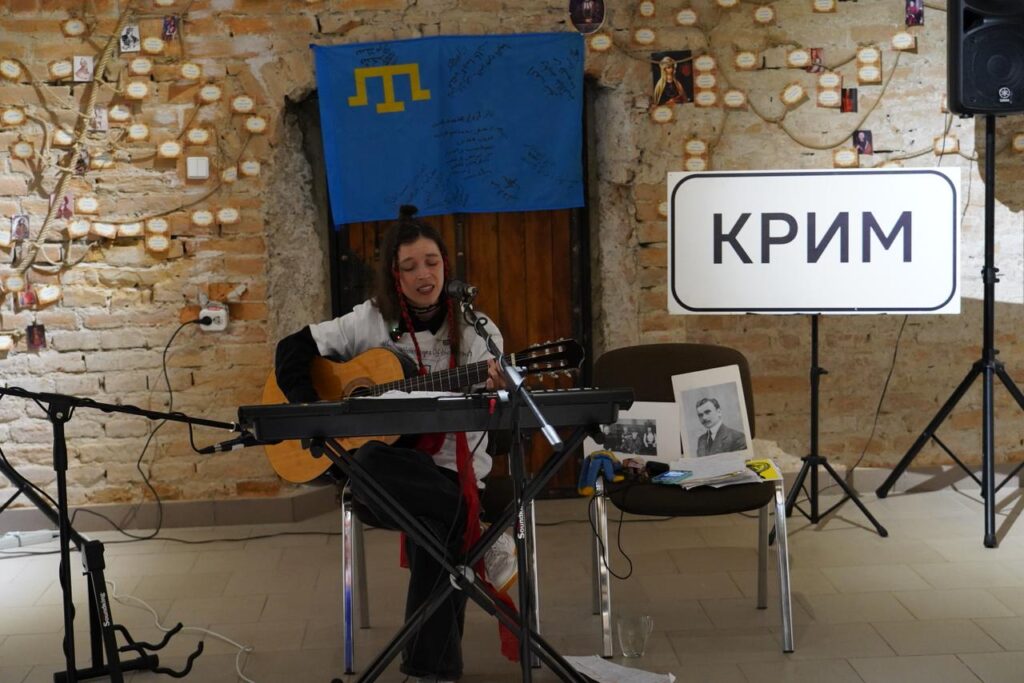
On May 5, Ostroh became an important platform for deep reflection on the history of Crimea, its present, and its future as part of independent Ukraine. As part of Crimea Days, a series of events took place that combined art, educational initiatives, and meaningful public dialogue.
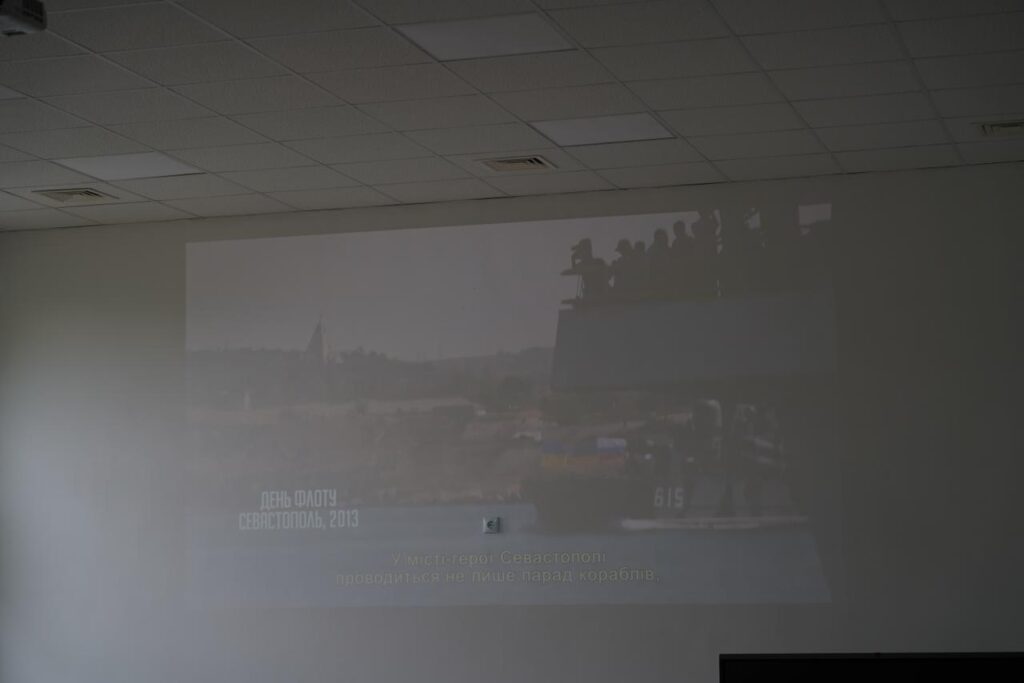
One of the first events was screening the documentary Crimea. As It Was at the National University of Ostroh Academy. Students had the opportunity to hear firsthand testimonies of witnesses to the occupation of the peninsula — stories that leave an emotional mark and prompt reflection on the price of freedom and the importance of fighting for truth.
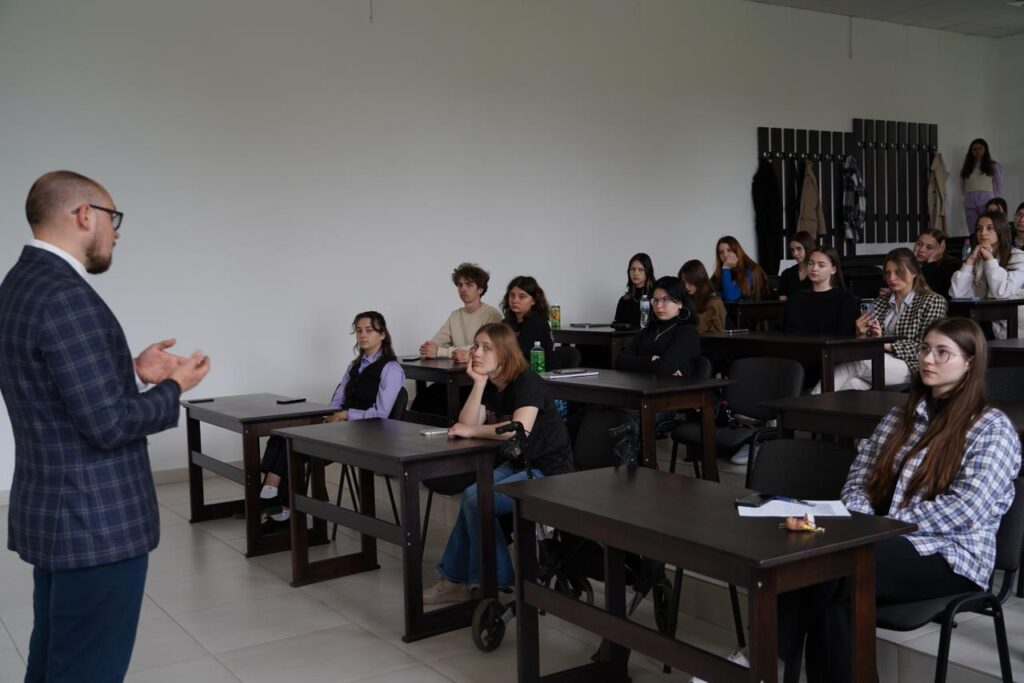
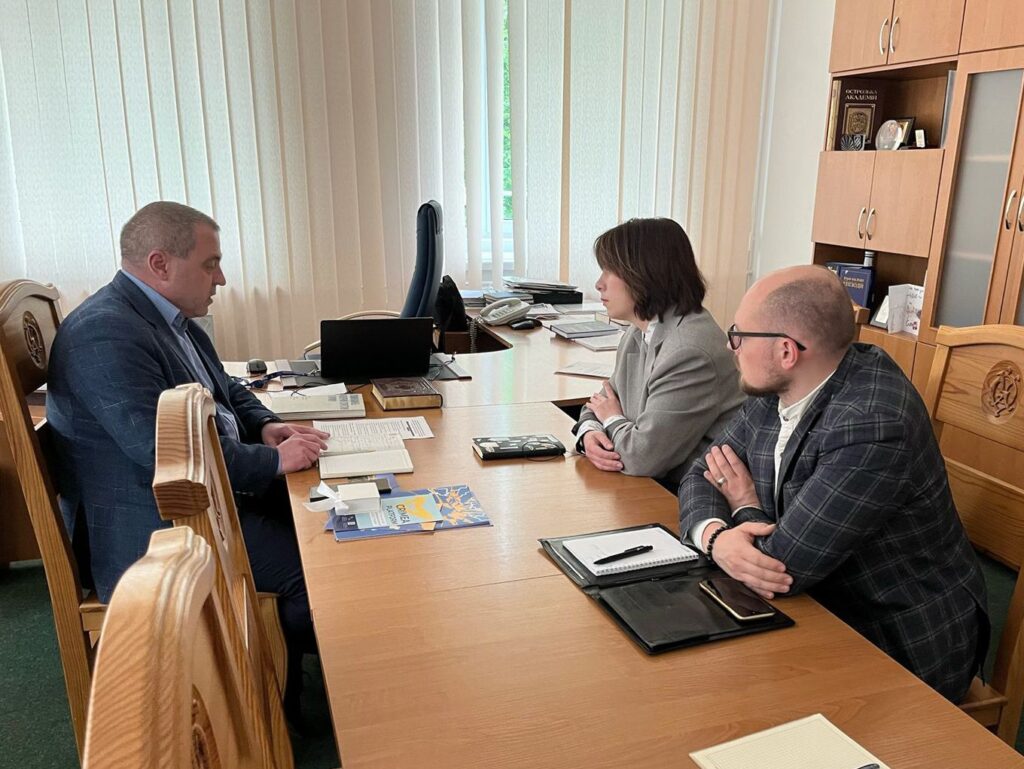
The university also hosted an official visit by the Permanent Representative of the President of Ukraine in the Autonomous Republic of Crimea, Olha Kuryshko. Together with her team — Head of the Information Department Yevhen Bondarenko and Chief Adviser of the Department for De-occupation and Reintegration Yana Novalenko — the Permanent Representative met with the university’s rector, Professor Eduard Balashov. In an atmosphere of open dialogue, they discussed the challenges facing the de-occupation of Crimea, as well as the crucial role of higher education institutions in shaping a resilient civic stance and supporting Crimean Tatar identity.
After the meeting, the delegation took a guided tour of Ostroh Academy, one of the oldest centers of Ukrainian education, which preserves and transmits cultural continuity from the times of the Kyivan Rus to the present day.
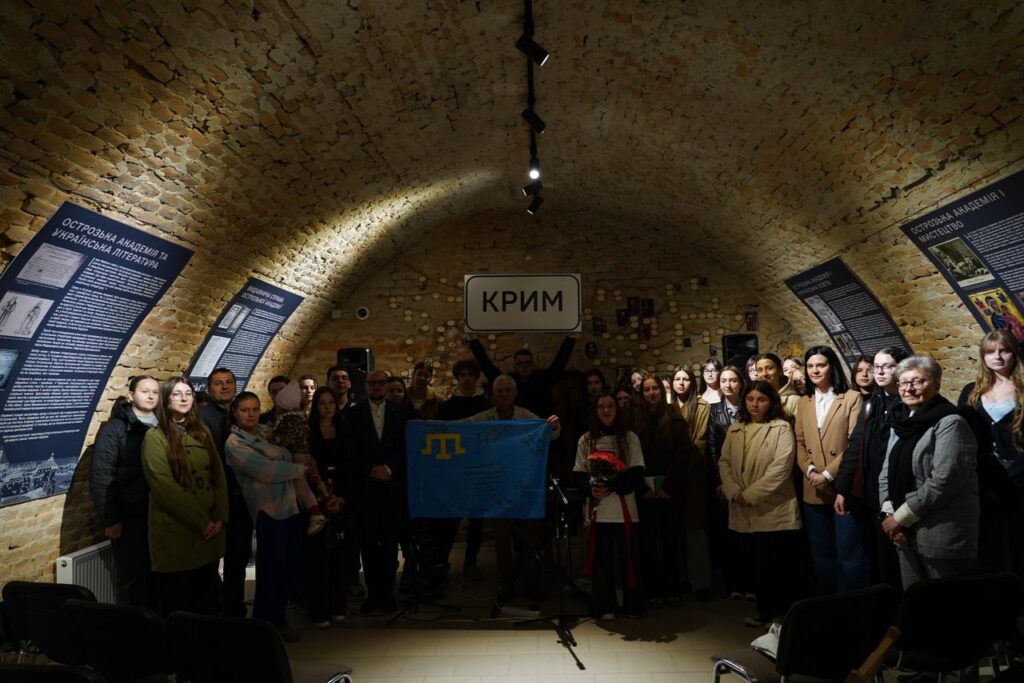
The program’s highlight was a musical performance by Crimean Tatar singer Aziza Eskender. Her performance blended traditional motifs with contemporary sound, creating an emotional bridge between Crimea and Volyn. This bridge speaks through the language of art about strength, memory, and hope for return. At the end, moved by the performance, the audience rose and joined in singing the National Anthem of Ukraine.