The Permanent Representative, Tamila Tasheva, met with a delegation of journalists, writers, and human rights activists from Slovakia, Hungary, and Estonia who arrived in Ukraine as part of the In Solidarity With Ukraine program, organized by PEN Ukraine.
Among those visiting the Mission were Miro Pastorek, a journalist from the leading Slovak publication Postoj.sk; journalist and writer Ján Markoš; writer and translator Michal Hvorecký; political scientist, co-founder, and president of the Institute for Public Affairs (IVO) Grigorij Mesežnikov; and writer and editor Marek Vadas. The Hungarian delegation included writer and translator Viktor Horváth and disinformation and propaganda researcher Dorka Takács. Representing Estonia were poet Maarja Kangro, writer and lecturer Marko Levin, and writer Ingrid Velbaum-Staub.
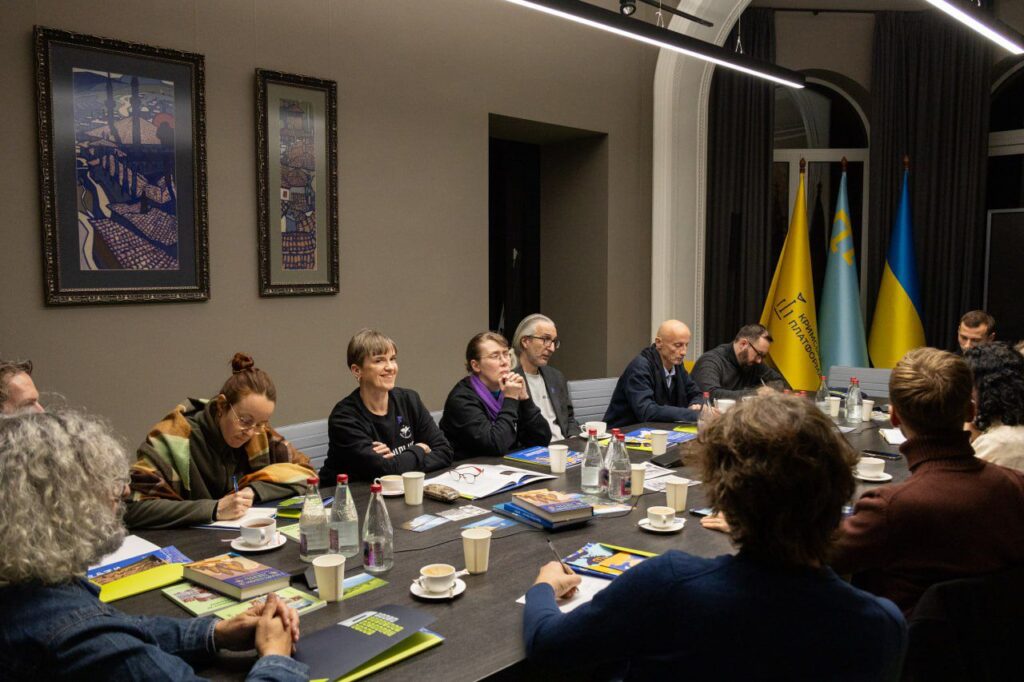
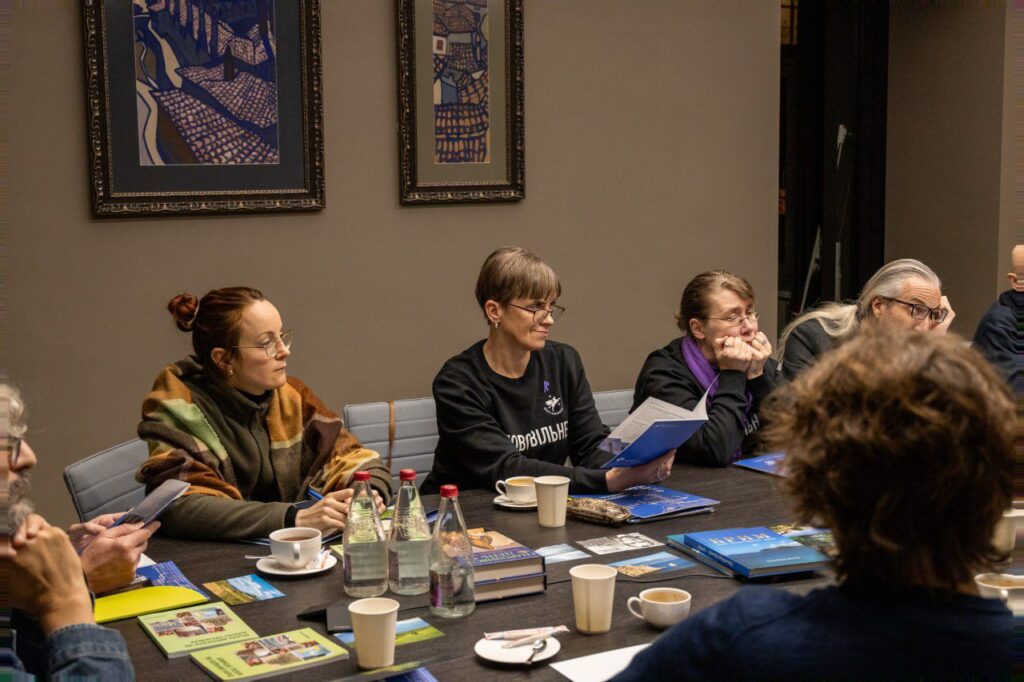
Tamila Tasheva informed the delegation about the activities of the Mission/Office of the Crimea Platform, shared information on the situation in occupied Crimea, and emphasized the need for its de-occupation for the security of Ukraine and the entire Black Sea region. Special attention was given to human rights violations, the persecution of Ukrainian citizens, particularly representatives of Ukraine’s Indigenous peoples, and repression for any signs of dissent against Russia’s actions. She also discussed Russian propaganda aimed at militarization and the control of the consciousness of Crimean residents. The Permanent Representative stressed that Ukraine is fighting not only for its territories but, most importantly, for its people.
“We understand how important this is. People in Crimea are waiting for de-occupation. Especially after the start of the full-scale invasion, thousands of people have engaged in numerous acts and demonstrations of resistance. They say they do this because they see: we are fighting for Crimea,” emphasized Tamila Tasheva.
During the discussion, delegation members showed interest in human rights issues in Crimea, the impact of Russian propaganda, and the possibility of accessing truthful information. The Permanent Representative noted that the occupiers have been systematically persecuting Ukrainian citizens in Crimea since 2014 and restricting freedom of speech.
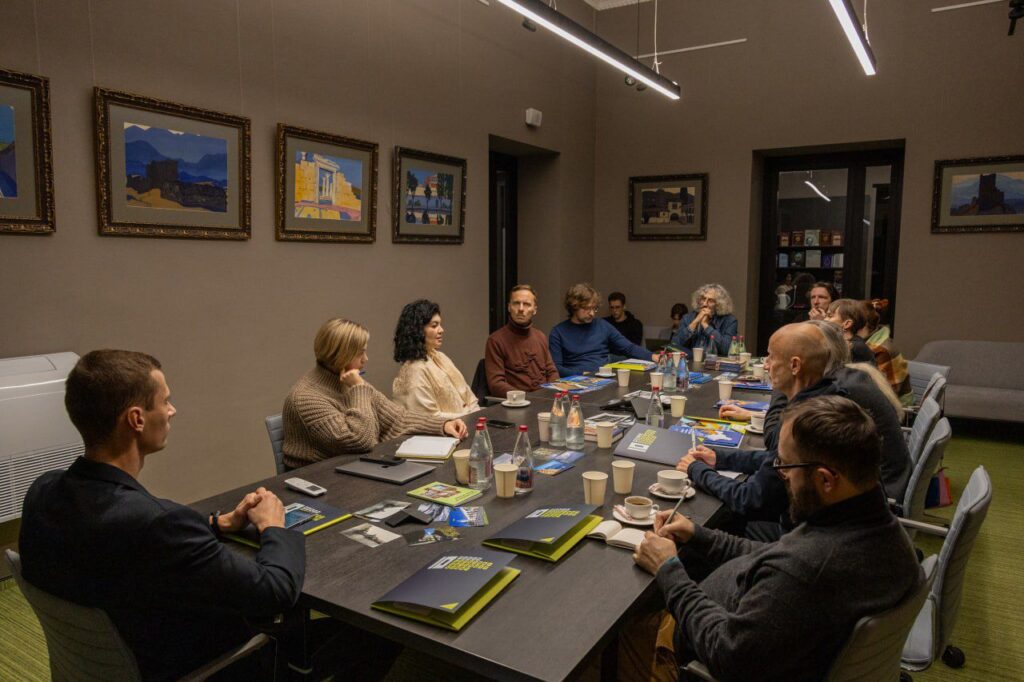
“For most Ukrainian citizens in Crimea, watching Ukrainian sources is dangerous. Russian security forces can come to your home, exert pressure, fine, or convict you. Yet Ukrainians continue to receive information from the territories under our control, and we are doing everything possible to establish connections with them in any way we can,” emphasized the Permanent Representative.