Today, Permanent Representative Olha Kuryshko participated in a panel discussion held during the presentation of the Special Report by the Ukrainian Parliament Commissioner for Human Rights on access to education for children and youth from the temporarily occupied territories.
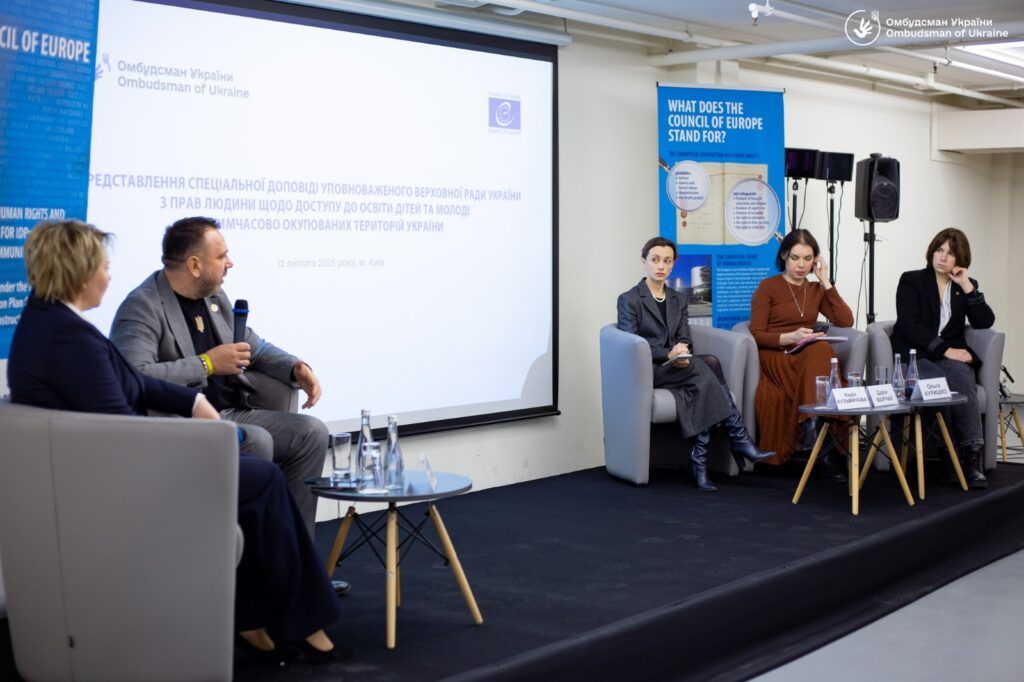
Also joining the panel discussion were Member of Parliament Maksym Tkachenko, Deputy Minister of Education and Science of Ukraine Nadiia Kuzmychova, and First Deputy Minister of Social Policy of Ukraine Dariia Marchak. The discussion was moderated by Olha Altunina, Representative of the Commissioner for the Rights of Citizens Affected by Armed Aggression Against Ukraine.
In her speech, the Permanent Representative emphasized that ensuring access to Ukrainian education for children from Crimea remains a priority, as the occupation administrations have been systematically erasing the Ukrainian language and culture from the peninsula’s educational space and persecuting those who attempt to preserve their cultural and national identity for the past 11 years.
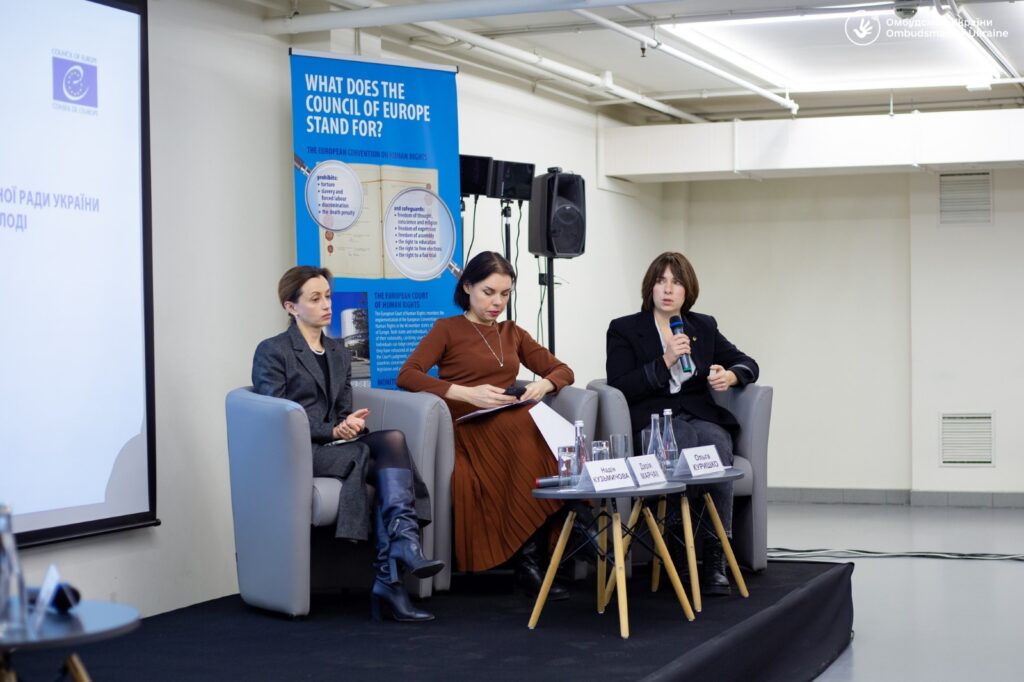
She underscored that despite all risks, many families are determined to provide their children with a Ukrainian education. However, they face numerous obstacles, including physical isolation, the threat of persecution by the occupiers, limited access to Ukrainian educational resources, and information isolation, particularly due to the blocking of Ukrainian websites. This, in turn, has contributed to a decline in the percentage of students from the temporarily occupied peninsula enrolling in higher education institutions—a serious challenge for the state.
Olha Kuryshko highlighted the need to establish a support system for children from the moment they leave the temporarily occupied territory until they receive their internally displaced person (IDP) certificate, as current state programs only take effect after obtaining this document.
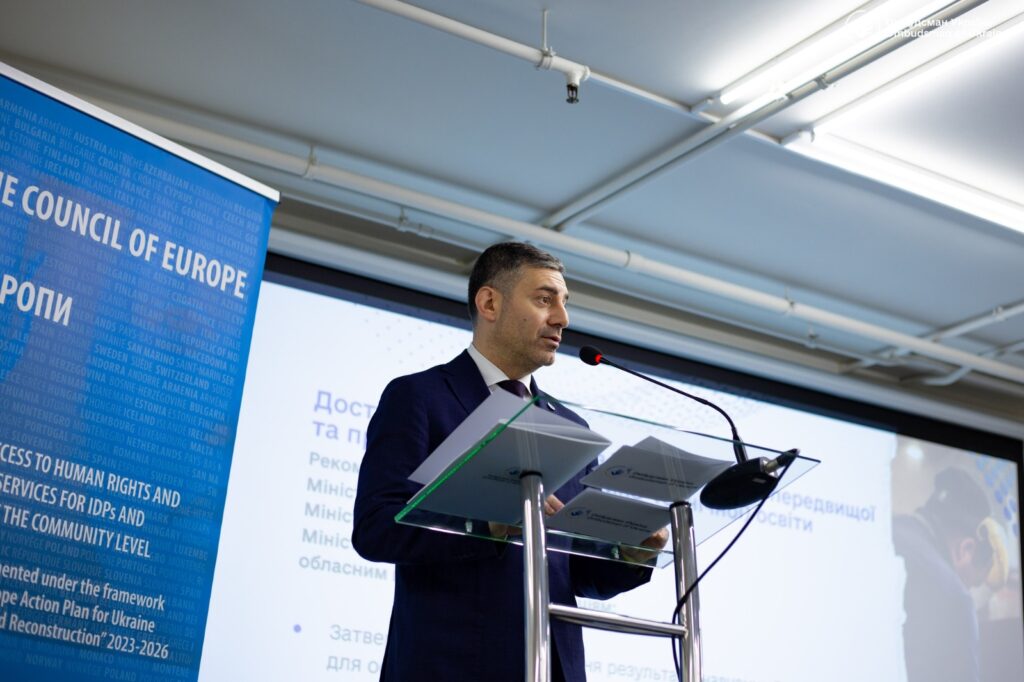
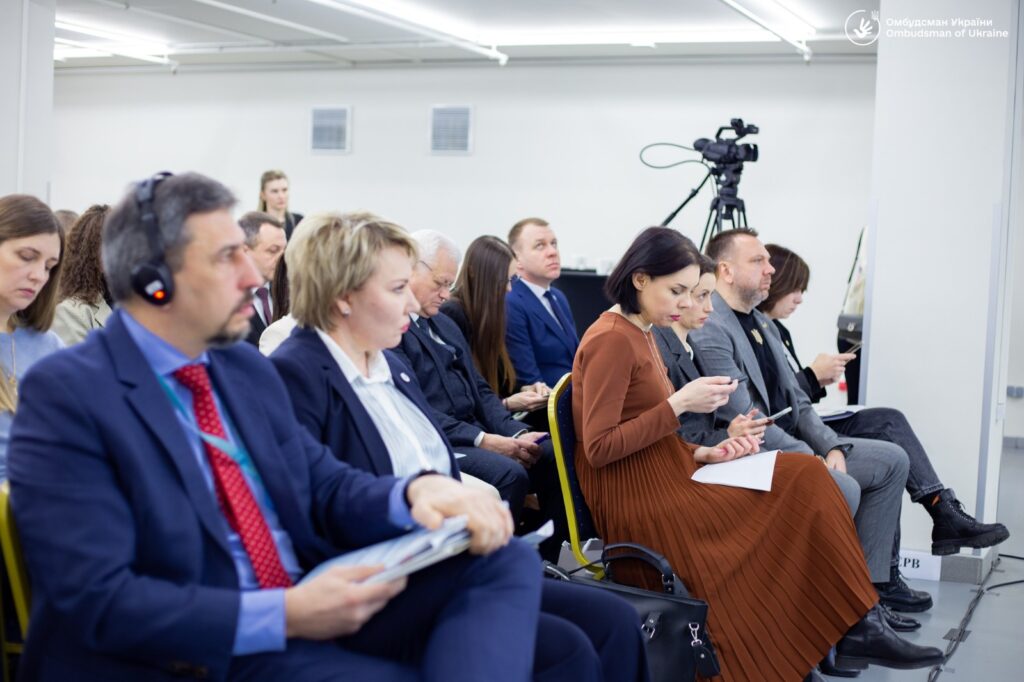
The Permanent Representative emphasized the importance of educational programs and initiatives that facilitate the integration of children from temporarily occupied Crimea into the Ukrainian educational space. She noted that while there are numerous resources available on educational opportunities and support, they remain scattered and not consolidated in a user-friendly format. To address this issue, the Mission plans to launch a test version of an educational platform that could serve as a centralized information hub for Crimean children seeking education in government-controlled areas of Ukraine.
In closing, the Permanent Representative emphasized that education is one of the key tools in the fight for Crimea’s liberation and its future cognitive reintegration. She underscored that fostering a Ukrainian identity among young people is not just a matter of knowledge but a crucial factor in ensuring the future unity of Ukraine.