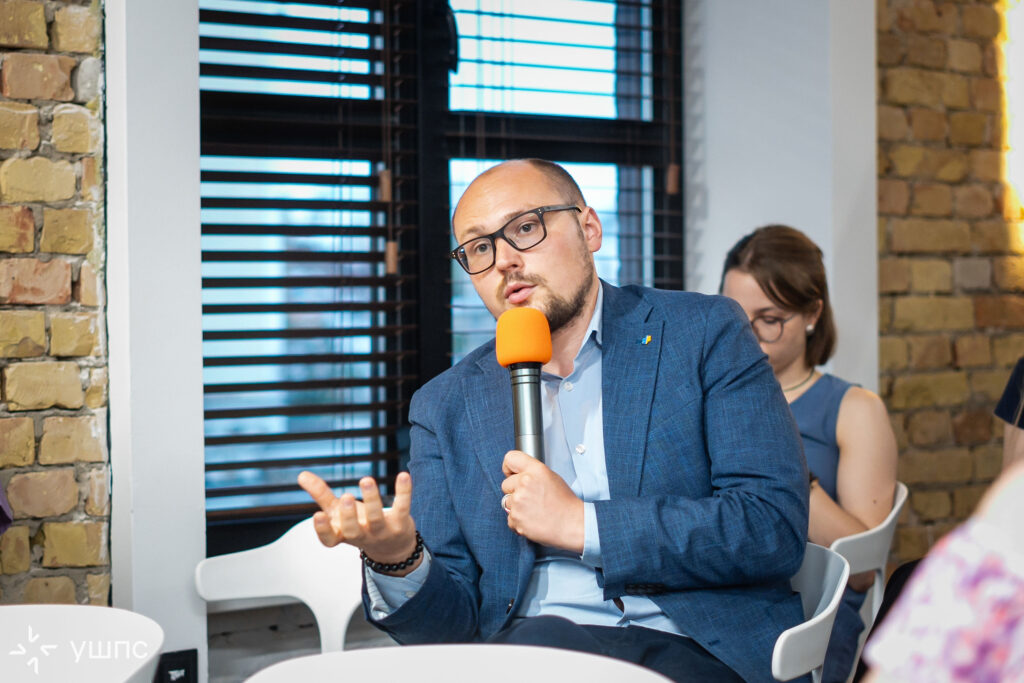
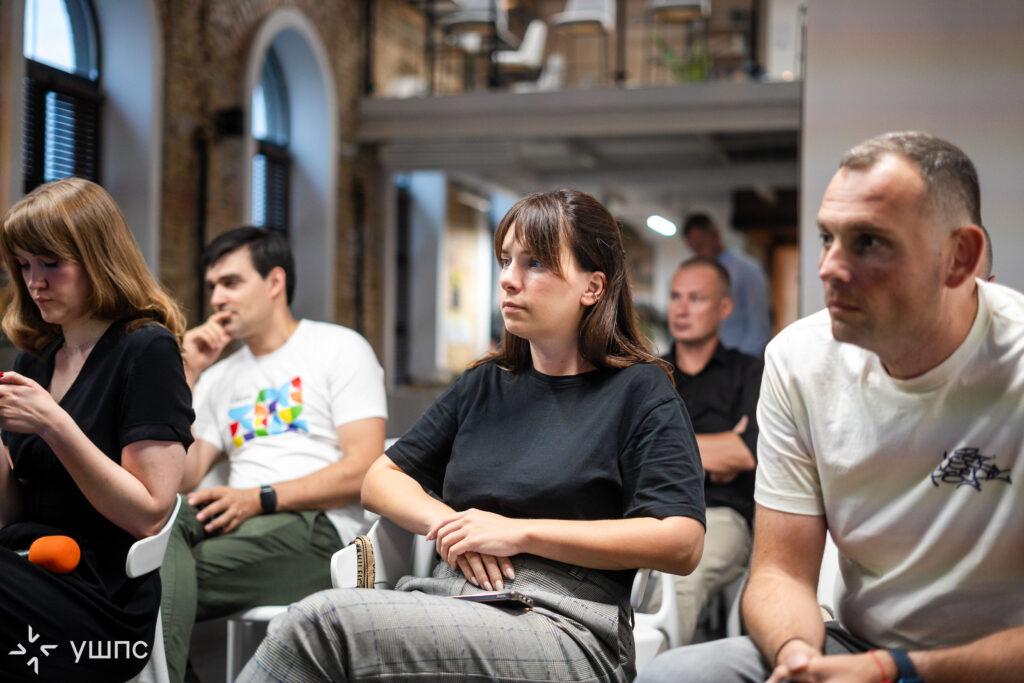
The Permanent Representative participated in a discussion panel on the Cognitive De-occupation: Visions, Challenges and Prospects. This is the third discussion on the de-occupation and reintegration of the Ukrainian territories organized by the Ukrainian School of Political Studies and the Mission of the President of Ukraine in the Autonomous Republic of Crimea.
The Permanent Representative was joined in the discussion by the First Deputy Chairman of the Mejlis of the Crimean Tatar people, Nariman Dzhelial, and the Deputy Director General of the Ukrainian Institute, Alim Aliiev. International expert Dmytro Teperyk moderated the discussion.
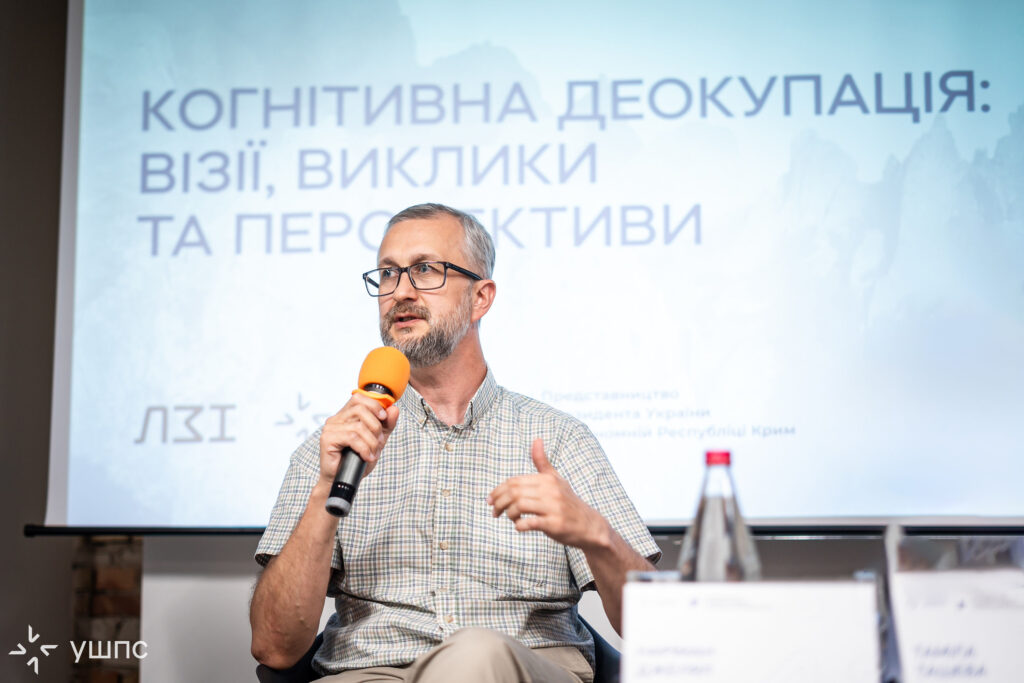
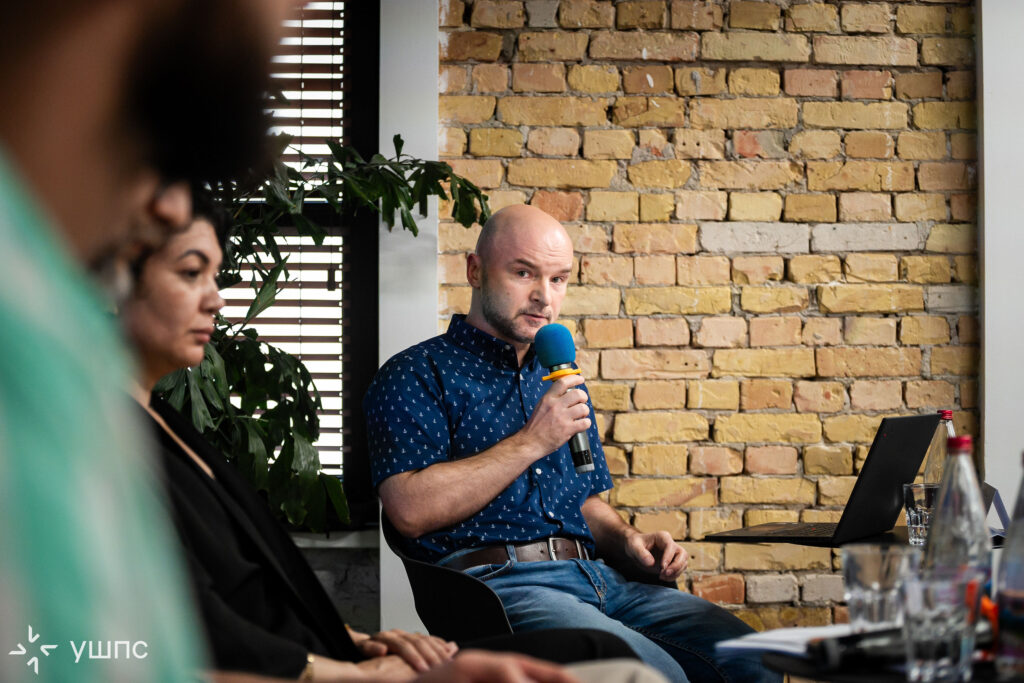
The main issues for discussion were the Strategy for Cognitive De-occupation, the impact of information policy on the de-occupation process, national memory, and the role of historical narratives in the process of cognitive de-occupation. The speakers also discussed the role of education and culture in cognitive de-occupation, educational initiatives, and cultural projects.
The Permanent Representative spoke about the importance of considering the cognitive aspects of reintegration processes. Tamila Tasheva emphasized that the Strategy for Cognitive De-occupation is not only a document but also several specific steps to be taken after restoring physical control over Crimea’s occupied territory. These steps also relate to conducting awareness-raising activities. This includes the development of a plan on how to deal with Russian propaganda, places of memory of the occupiers, how to return the Ukrainian education system, how to restore Ukrainian broadcasting, and how to quickly establish communication with the population that has long lived under occupation.
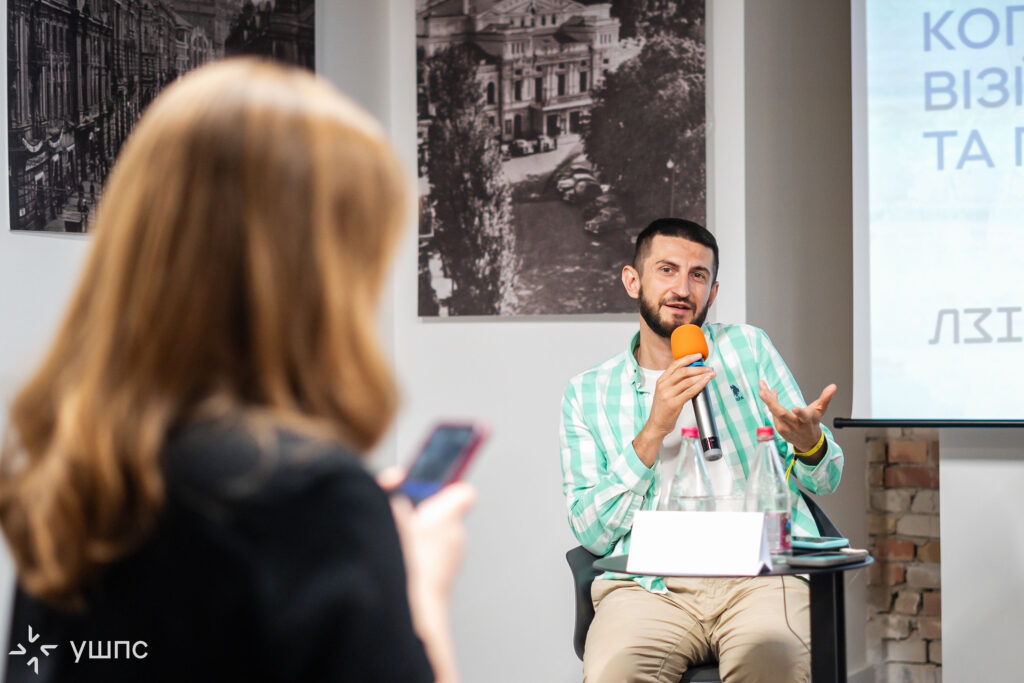
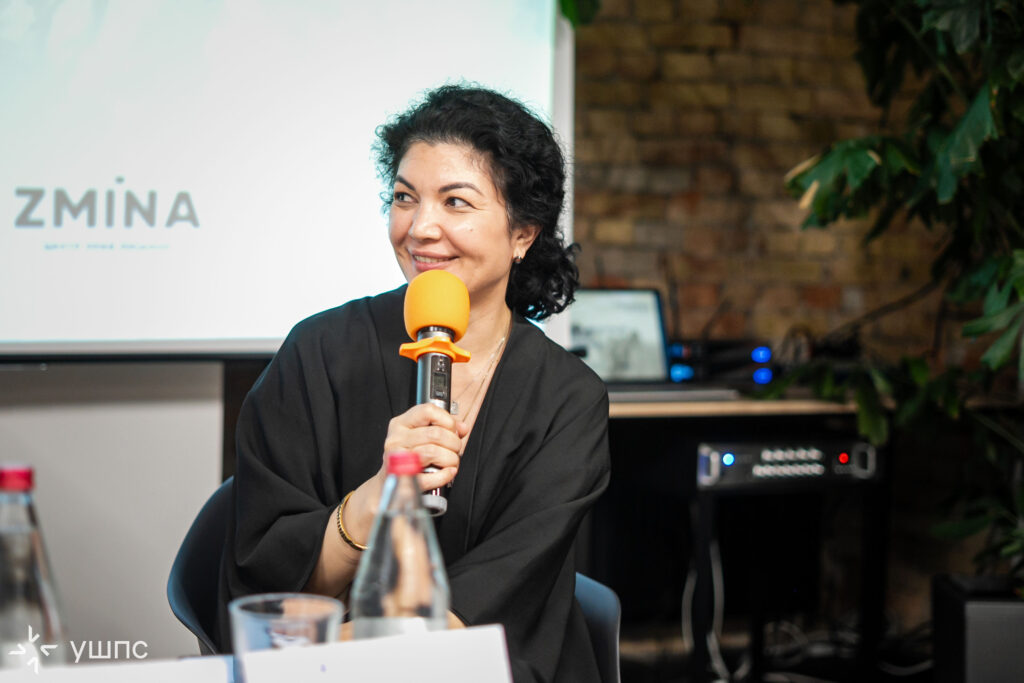
During the discussion, Nariman Dzhelial underscored the pressing need to address cognitive de-occupation in the future de-occupied territories and the territory controlled by Ukraine. He also stressed the importance of preparing a personnel reserve to work in the de-occupied territories, highlighting the urgency of the situation.
Alim Aliiev spoke about the impact of recolonization on people living in the occupied territories, such as the impact on identity, the physical replacement of the population, and the destruction of institutions. Alim Aliiev emphasized that the occupation of the minds of people in the occupied territories can only be countered at the level of values.
The event was supported by the Partnership Fund for a Resilient Ukraine (PFRU). We thank the Ukrainian School of Political Studies community! We look forward to holding the following closed discussion soon.