The Permanent Representative participated in the panel discussion Reintegration of Crimea: What Awaits Us after De-occupation, held within the framework of the educational project Qırım filisi, initiated by the Marifet NGO. This project aims to deepen knowledge about the Crimean Peninsula and the indigenous peoples of Ukraine among young people and analyze Crimea’s cultural, historical, and socio-political features, which will become the basis for the region’s recovery and development.
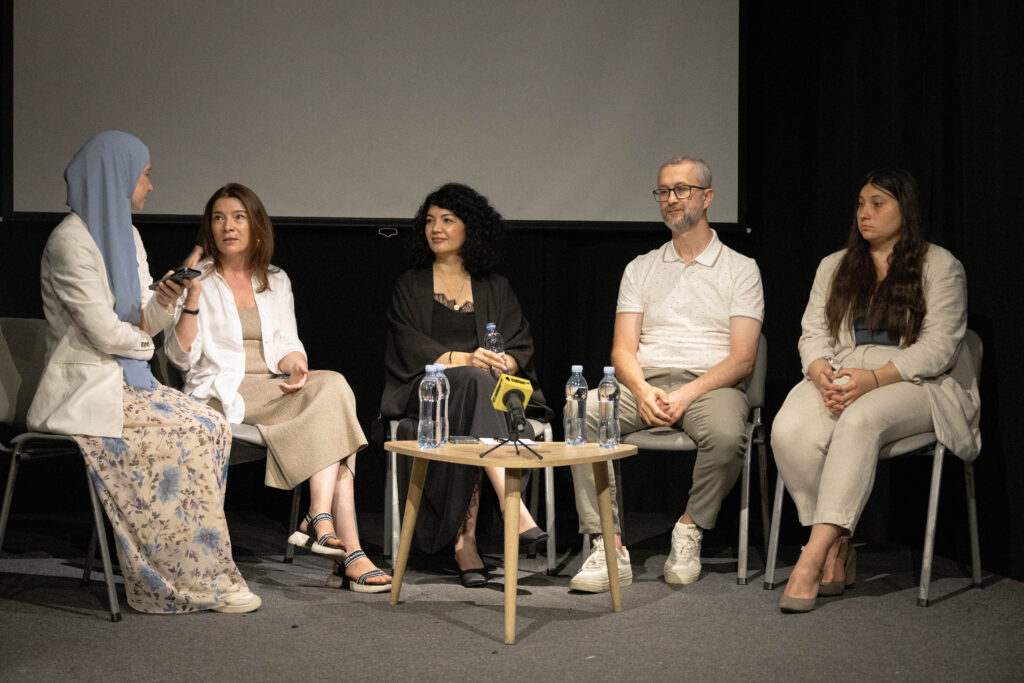
The discussion focused on the main challenges and prospects of de-occupation and reintegration in Crimea, including economic, cultural, and legal aspects.
In addition to the Permanent Representative, the First Deputy Chairman of the Mejlis of the Crimean Tatar People, Nariman Dzhelial, expert of the Crimean Institute for Strategic Studies Elmira Ablialimova, and Head of the National Youth Council of Ukraine, Nataliia Shevchuk, took part in the panel discussion, which journalist and psychologist Mavile Khalil moderated.
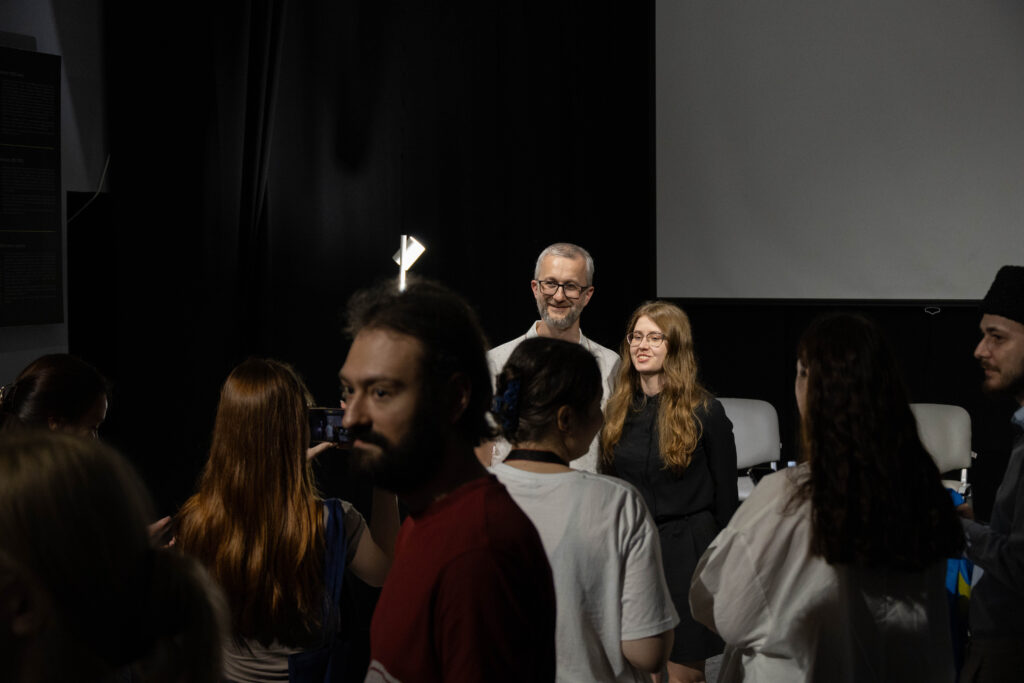
In her speech, Tamila Tasheva discussed the main challenges of Ukraine’s reintegration process, particularly the problem of restoring the Ukrainian legal framework and law and order and protecting human rights and freedoms in the de-occupied Crimea.
Ms. Tasheva noted that, first and foremost, we are talking about liberating the territories and our people. An essential aspect after the de-occupation of the peninsula will be the verification of documents, resolving such issues as the recognition of civil statuses and social statuses of people, property and property issues, as well as ensuring the sustainability of life after the liberation of the territories:
The uncertainty of life after the de-occupation of Crimea causes fear among residents. What will happen to my property? What will happen to my education? What will happen to me? That is why we are already developing the principles and approaches that we will use during reintegration to provide people with answers to these questions.
The discussion also touched upon the issues of restoring and preserving Crimea’s cultural heritage and identity, working on cognitive de-occupation, and maintaining communication with people in the occupied territories.
In his speech, Nariman Dzhelal noted:
Russia exerts constant pressure on patriotic Crimean residents and conducts active propaganda. Despite this, there remains a stable community of people in Crimea who want and expect Ukraine to return no matter what. We need to maintain constant communication with them and get their response. We must make them our backbone in Crimea.