The Permanent Representative Participated in the Meeting of the Council on Human Rights, Gender Equality, and Diversity at the Ministry of Foreign Affairs of Ukraine and Bring Kids Back UA
30.04.2025
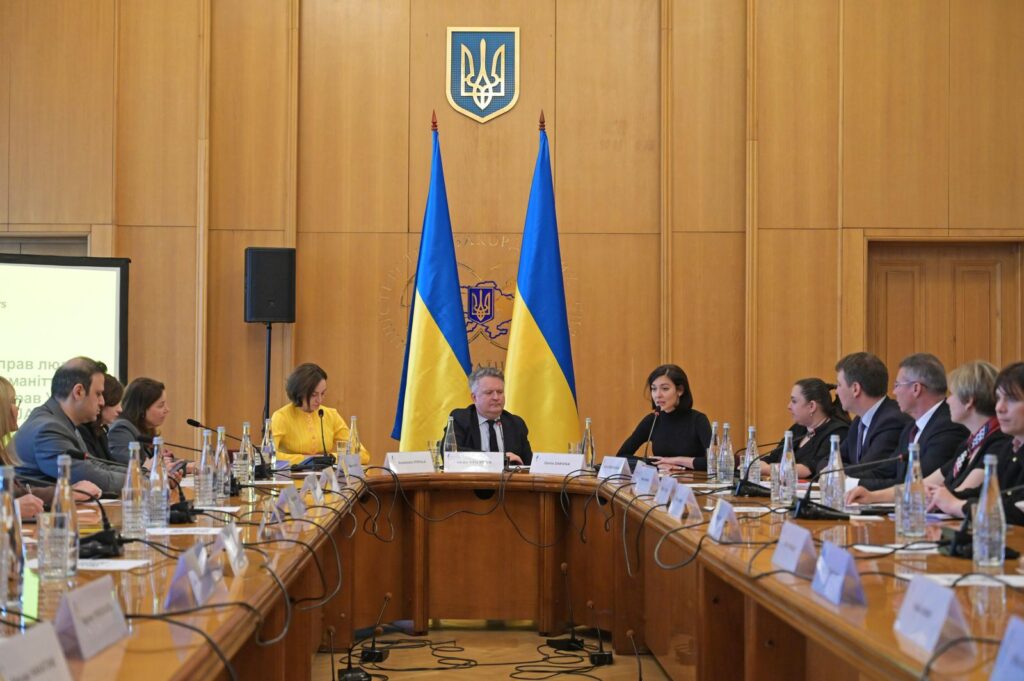
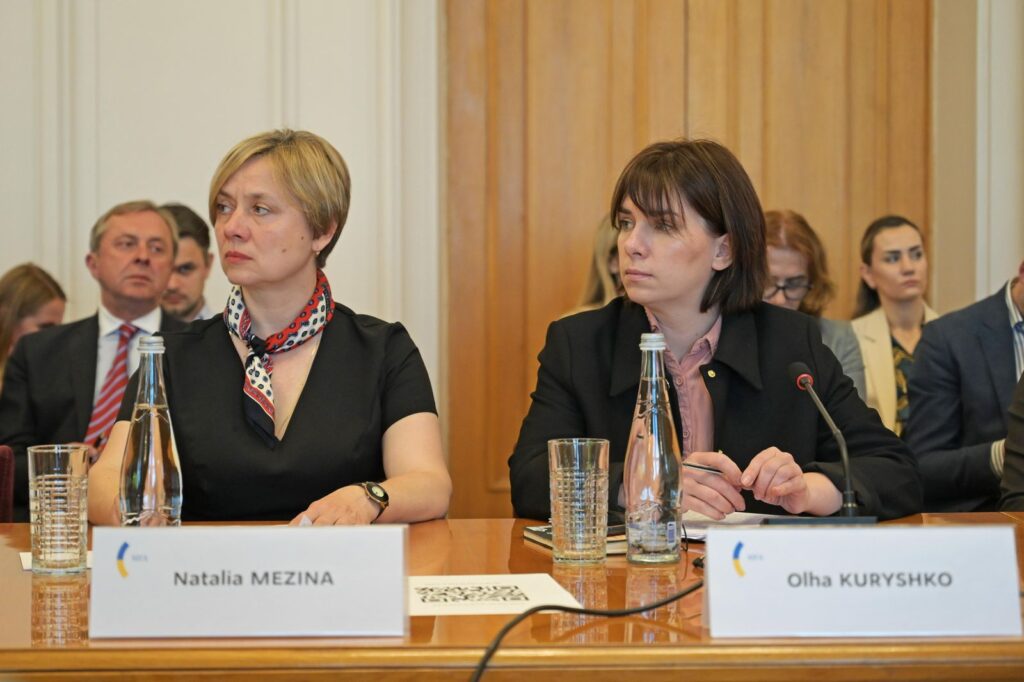
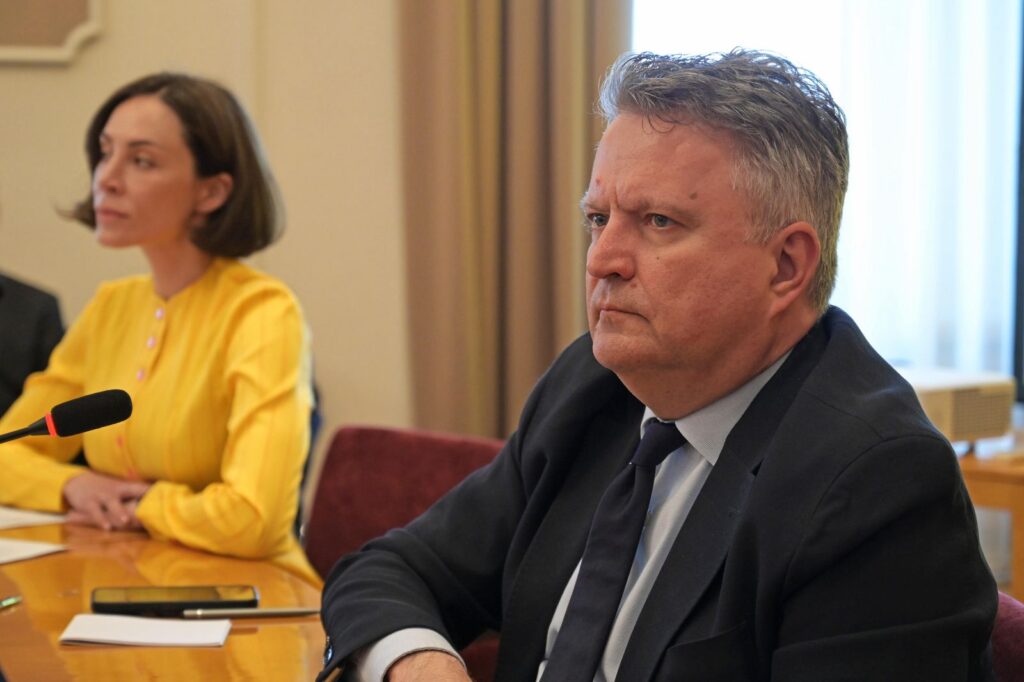
Permanent Representative Olha Kuryshko participated in the joint meeting of the Council on Human Rights, Gender Equality, and Diversity at the Ministry of Foreign Affairs of Ukraine and the Bring Kids Back UA initiative titled “Return, Rehabilitation, and Reintegration of Ukrainian Children Affected by Russian Aggression.”
The event brought together representatives of state authorities, international organizations, the diplomatic corps, civil society, and the expert community.
In her presentation within the thematic session on the international legal protection of children’s rights, Permanent Representative Olha Kuryshko outlined the key directions of the indoctrination policy that the Russian Federation is actively implementing in the occupied territory of Crimea. She emphasized that the primary tool of such influence is the educational environment, where formal and informal education, children’s camps, youth paramilitary movements, and an imposed upbringing system are systematically used to erase Ukrainian identity.
“Russia is using the 100th anniversary of the Artek camp, which was appropriated by the occupation administration, as part of a large-scale campaign to involve children from foreign countries through a network of so-called ‘Russian Houses.’ These facilities organize various competitions, and winners may receive a tour to Artek. We are documenting and communicating these cases to international partners, as this is not only about the indoctrination of Ukrainian children from the occupied territory, but also about expanding influence over citizens of other states,” stated Olha Kuryshko.
In her remarks, the Permanent Representative placed special emphasis on the militarization of children in occupied Crimea, which is being carried out through the introduction of cadet classes, participation in paramilitary structures, and an extensive system of so-called patriotic education. Of particular concern is the widespread involvement of children in the Yunarmiia (Youth Army) organization.
“Systematic militarization through educational programs, cadet classes, participation in Yunarmiia and other youth structures is a component of a targeted policy to impose Russian identity and glorify members of the occupying state’s armed forces who are committing crimes on Ukrainian territory. The number of children involved in Yunarmiia in Crimea has grown to 15,000 since the full-scale invasion,” stated Olha Kuryshko.
The Permanent Representative emphasized that rulings by the International Court of Justice and the European Court of Human Rights in the case Ukraine v. Russia (regarding Crimea) have recognized that Russia is restricting the right to education — in particular, through the displacement of the Ukrainian and Crimean Tatar languages from the educational process, the elimination of Ukrainian-language schools, limited access to Ukrainian educational resources, and the imposition of propagandist narratives.
The meeting participants affirmed Ukraine’s political determination to ensure the protection of children affected by the war, as well as the importance of effective coordination among state authorities, international institutions, and civil society in implementing policies for the return, rehabilitation, and reintegration of unlawfully displaced Ukrainian children.