Permanent Representative Tamila Tasheva took part in an Expert Discussion on Russia’s accountability and the impact of the war on European security, held within the framework of the Third Parliamentary Summit of the Crimea Platform.
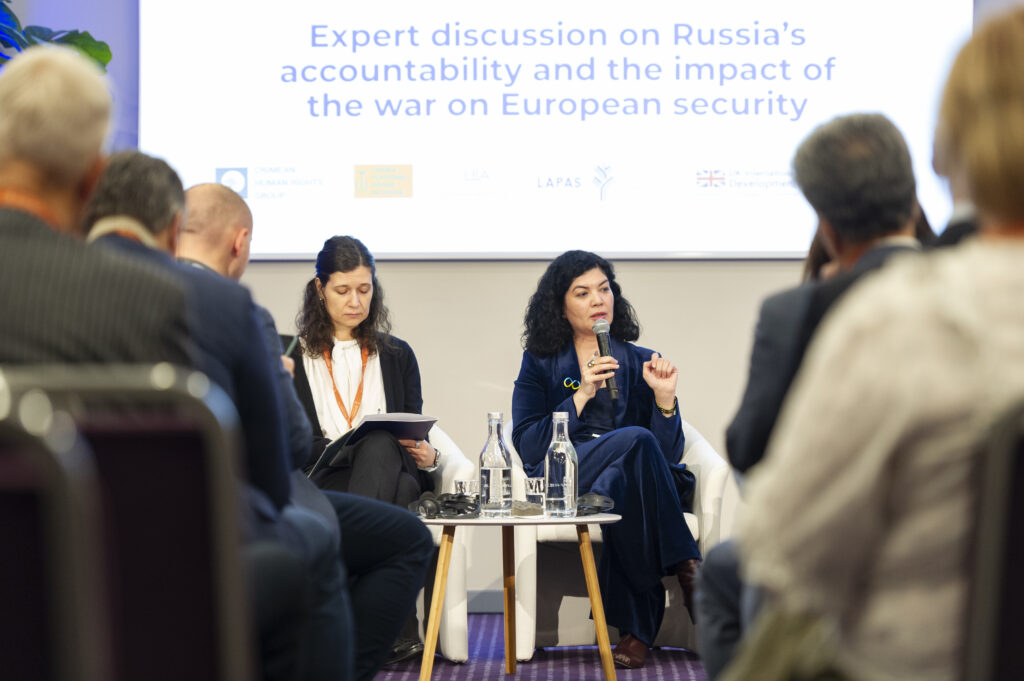
In her speech, Tamila Tasheva emphasized the importance of continuing international pressure on Russia and highlighted critical issues such as human rights violations, unlawful persecution, environmental concerns, and the destruction of cultural heritage in occupied Crimea.
“Since the full-scale invasion by Russia in 2022, we have witnessed the use of the same methods the occupiers employed in 2014 during the seizure of Crimea and part of Donbas. These methods include the forced deportation of Ukrainian children, which began during the occupation of Crimea, systematic persecution and torture of civilians, and the creation of illegal detention centers,” Tamila Tasheva reminded.
The Permanent Representative also drew attention to the issue of the forced relocation of civilians. She underscored that Russia is actively altering the demographic composition of Crimea by unlawfully relocating Russian citizens to the peninsula while forcing local residents to leave their homes.
“Even when people understand they may be punished, they continue to resist in Crimea. And when I hear the narrative that the majority of people in Crimea support the occupation — I want to firmly stress: the people of Crimea resist the occupation, even knowing the threats to their lives and safety,” the Permanent Representative stated.
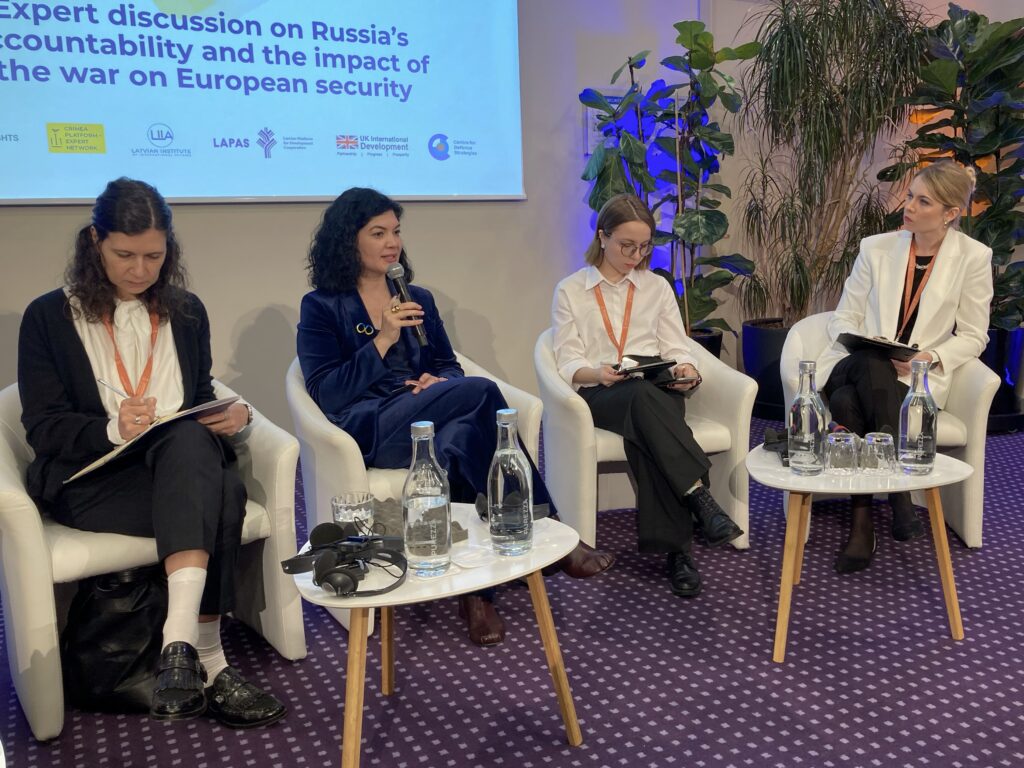
She added that Crimea is a cornerstone of President Volodymyr Zelenskyy’s Peace Formula and Victory Plan. The de-occupation and reintegration of Crimea are essentially embedded in each of the ten points of Ukraine’s peace plan, as full implementation of any of them is impossible without the restoration of Ukrainian sovereignty.
Tamila Tasheva also stressed the importance of a strategic approach in communications with countries of the Global South, noting that the issue of Crimea transcends Ukraine’s internal problem and is a key aspect of European and global security. The Russian occupation of the peninsula has serious implications for food, energy, and military security not only in Europe but globally.