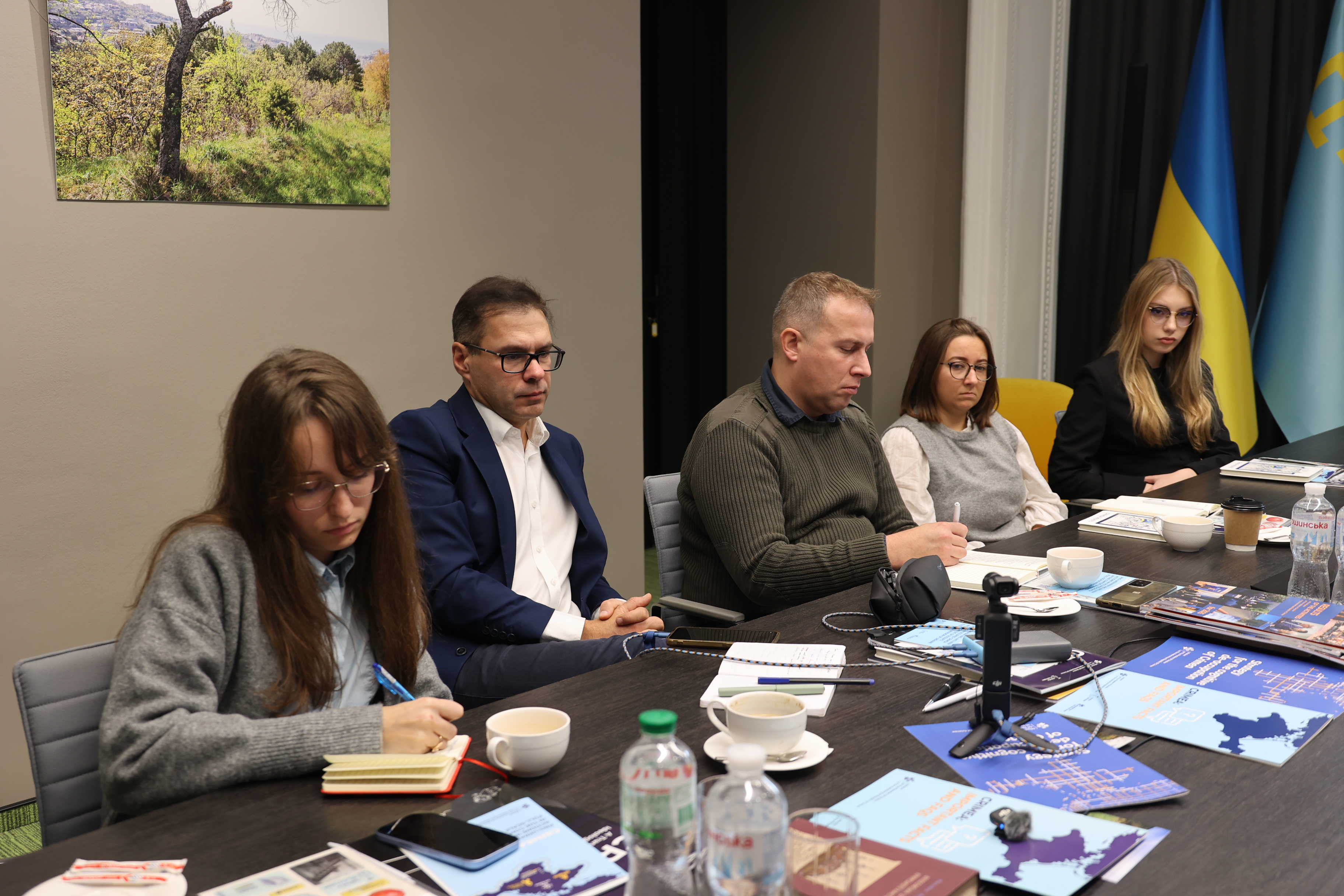
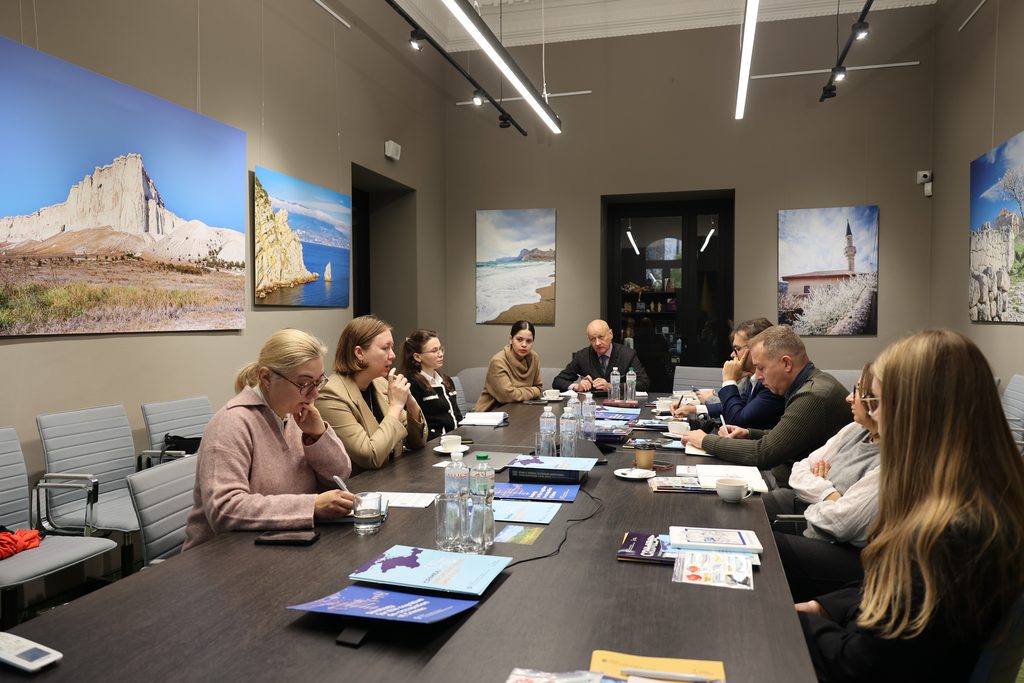
On November 6, the Mission of the President of Ukraine in the Autonomous Republic of Crimea / Office of the Crimea Platform was visited by the representatives of Polish media: Karolina Wójcicka (Dziennik Gazeta Prawna), Michał Karnowski (wPolityce/Sieci), and Mateusz Babak (Polish Press Agency). The journalists were accompanied by Kateryna Danylevych and Yana Ismailova, representatives of the Juliusz Mieroszewski Dialogue Center in Ukraine. The meeting was held as part of the Ukrainian Institute’s study visit program.
The meeting was attended by Nelia Hrynyshyn, Head of the Crimea Platform Department; Tetiana Nepomiashcha, Chief Consultant of the Department; Olha Skrypnyk, Head of the Board, Crimean Human Rights Group; and Leniie Umerova, the Kremlin’s former political prisoner.
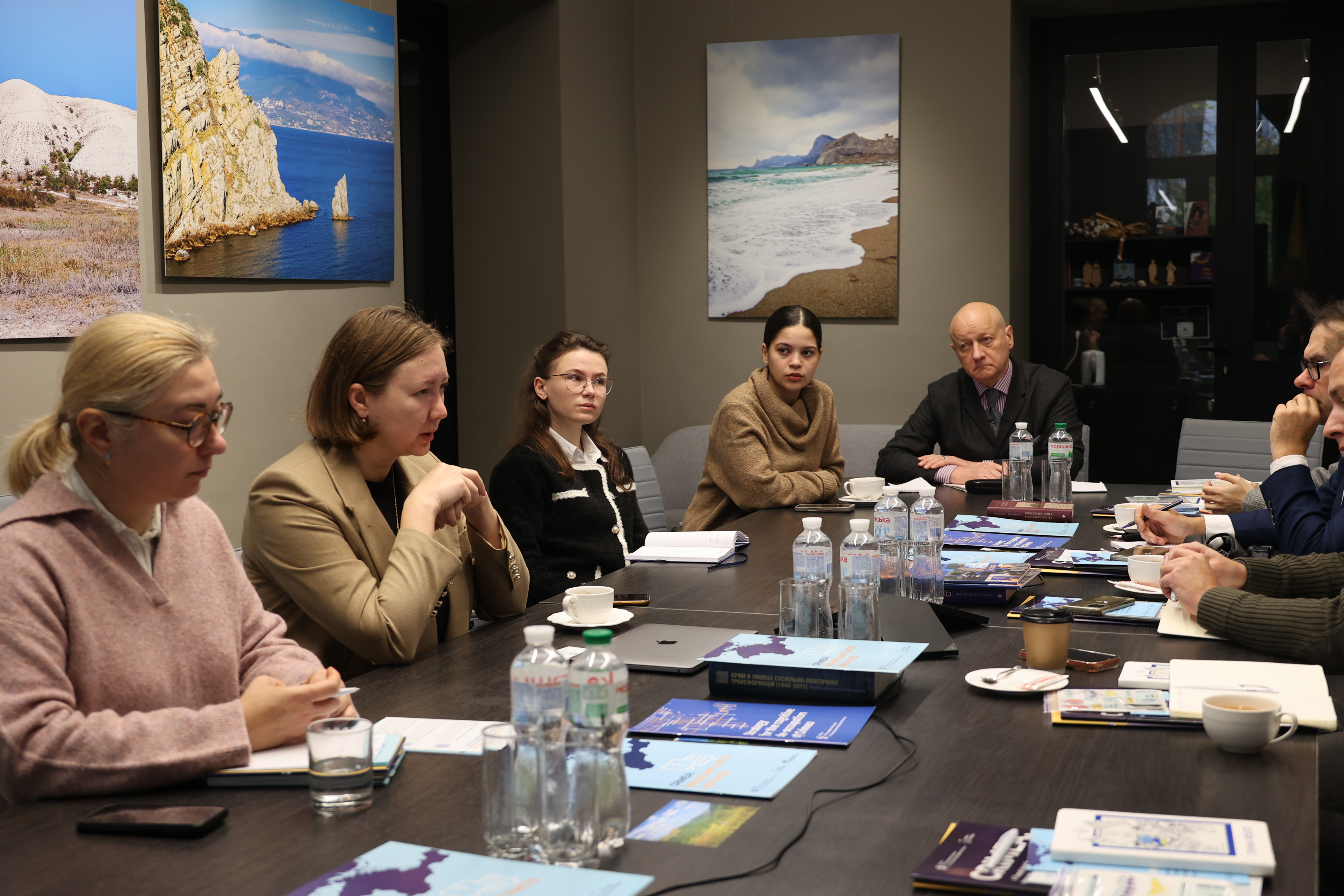
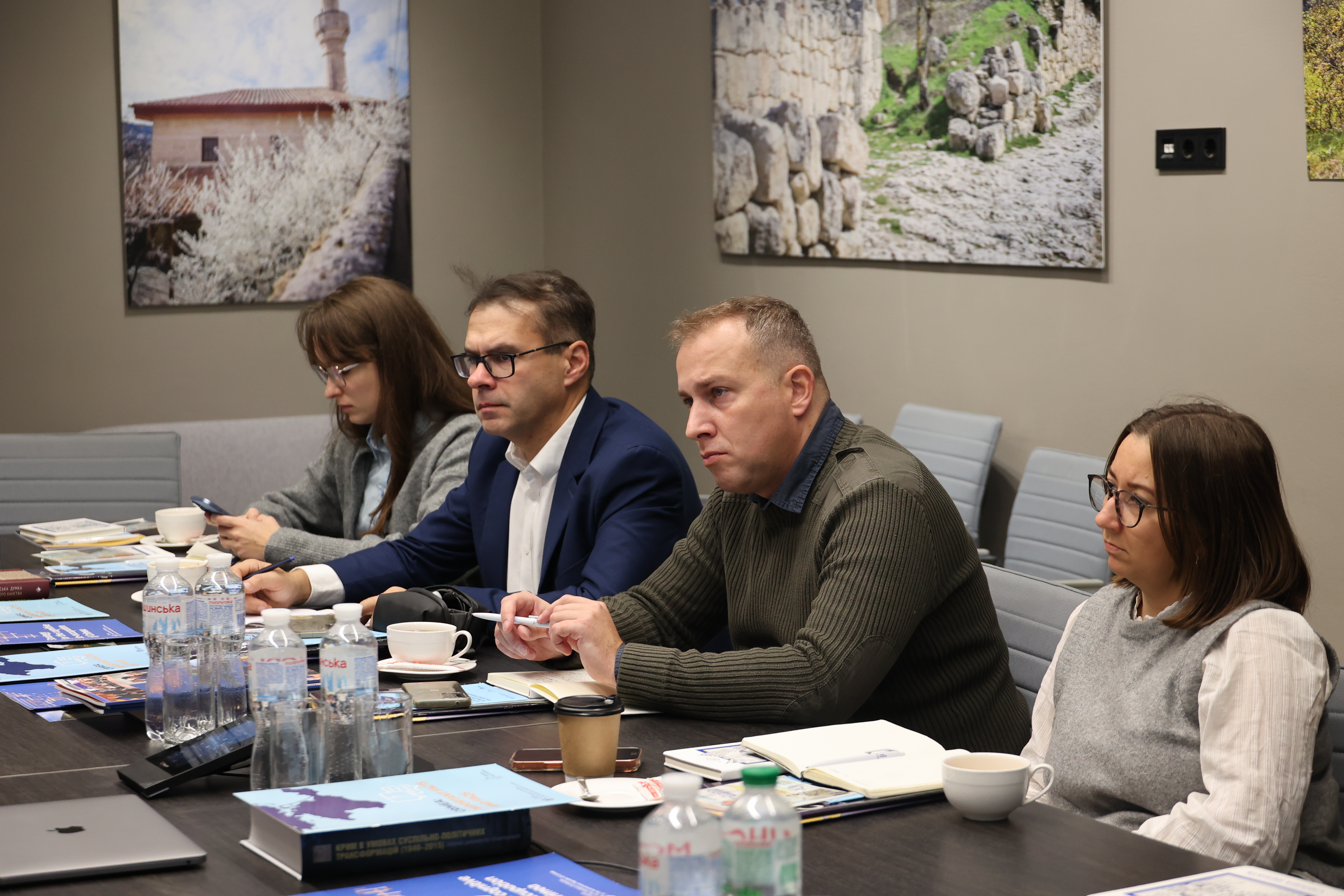
The discussion focused on human rights violations, politically motivated persecution of Ukrainians and Crimean Tatars in temporarily occupied Crimea, the unlawful detention of civilians in Russian captivity, and the international community’s role in securing their release.
Olha Skrypnyk spoke about systematic human rights violations on the occupied peninsula, particularly the persecution of Crimean Tatars, civil society activists, journalists, and religious figures. She emphasized that Russia uses trumped-up charges of “terrorism,” “extremism,” “espionage,” and “high treason” to suppress any dissent against the occupation regime.
Particular attention was paid to the problem of illegal detention of Ukrainian civilians in Russian places of confinement. The discussion addressed torture, the denial of adequate medical care, and restrictions on access for lawyers and international humanitarian organizations. Olha Skrypnyk also explained why securing the release of civilian detainees remained an extremely difficult process, specifically because Russia refuses to acknowledge their places of detention and uses the imposition of Russian citizenship as an obstacle to the release of residents of occupied Crimea.
A significant part of the meeting featured the personal story of Leniie Umerova, who spent a year and nine months in Russian captivity and returned to Ukraine in September 2024. She recounted her arrest while attempting to visit her seriously ill father in Crimea, the fabricated administrative proceedings, subsequent accusations of espionage, and prolonged confinement in solitary cells.
Leniie also shared the stories of other Ukrainian women she met while imprisoned in Russia, who had been tortured and sentenced to lengthy prison terms on trumped-up charges.
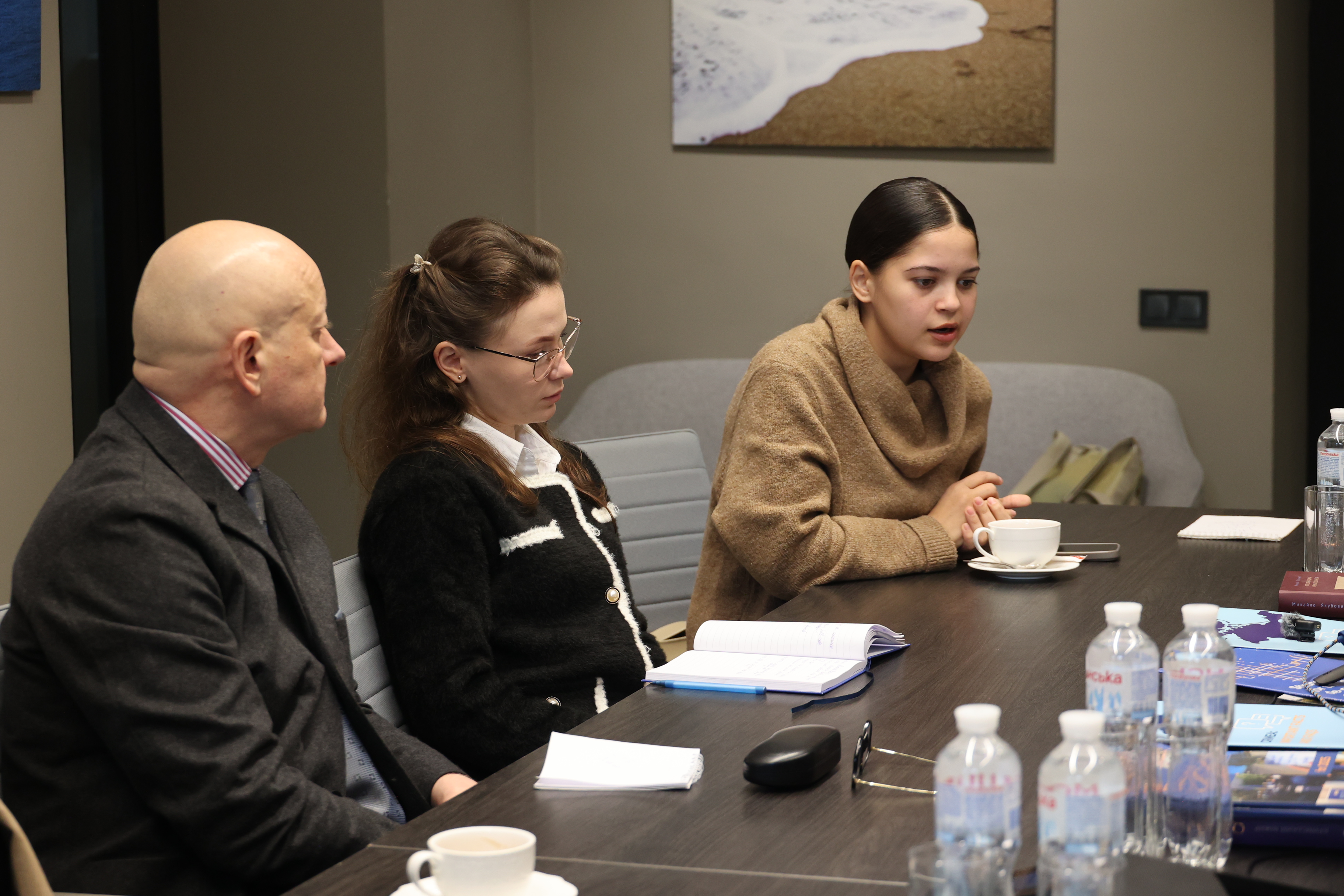
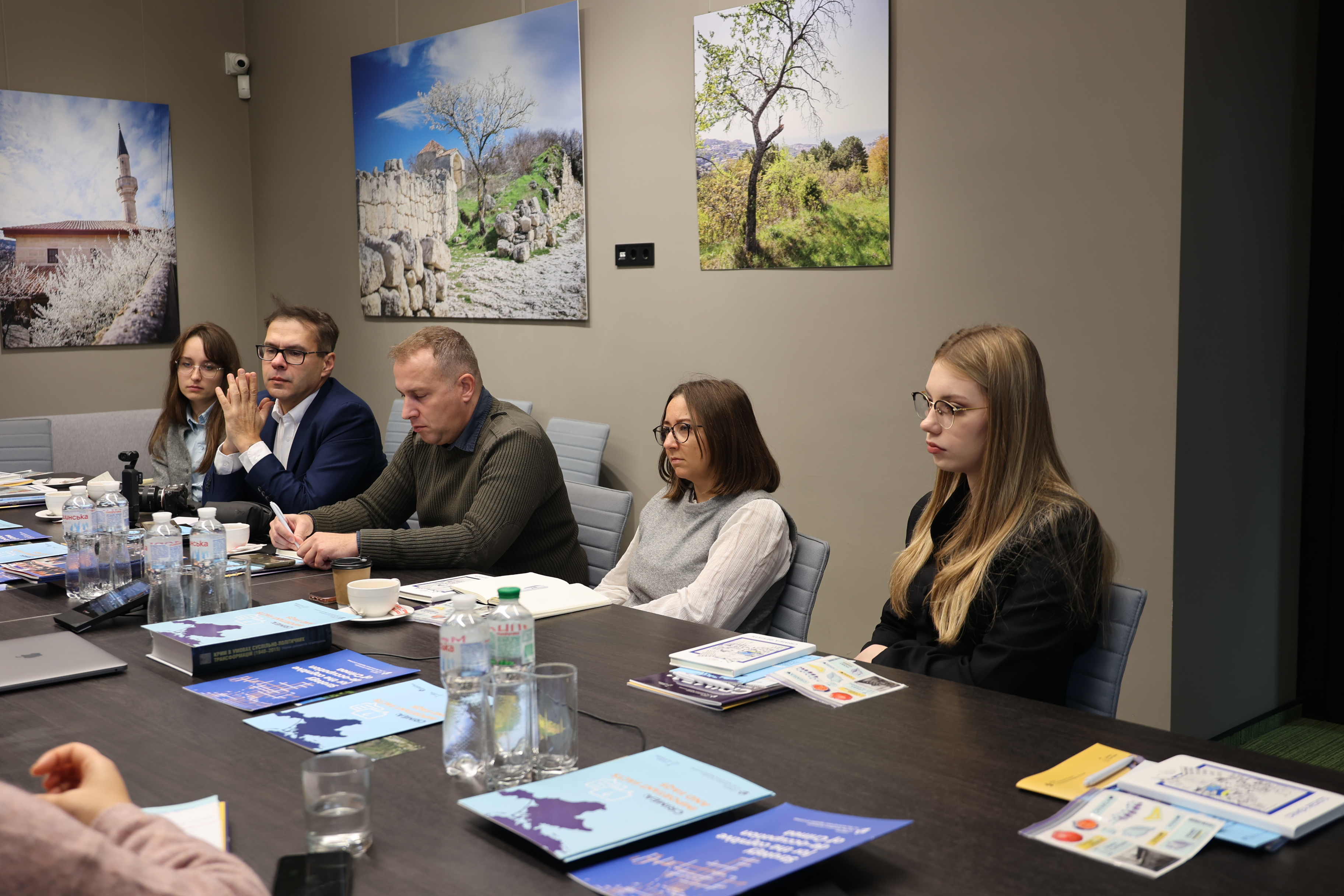
Representatives of Polish media were interested in opportunities for putting international pressure on Russia, mechanisms for securing the release of civilian prisoners, and historical parallels between present-day Russian repression and Soviet-era persecution practices. The discussion also addressed the dangers of Ukrainian citizens traveling to occupied territories. Human rights activists advise against such travel, since any contact or correspondence with Ukrainian government institutions, or financial support for the Ukrainian military, could become grounds for detention and criminal prosecution by Russia.
Participants emphasized the need to keep the issue of the occupied peninsula in the international information space, to share the stories of unlawfully detained Ukrainians, and to draw attention to the plight of their families. In particular, the journalists were introduced to the advocacy mentorship program supporting Crimean political prisoners and opportunities to get involved.
The meeting underscored the importance of international media attention to the situation in occupied Crimea. After all, behind each case of politically motivated persecution is a human story that must not be overlooked by the international community. Sharing accurate information about Russian crimes, the plight of civilian prisoners, and Ukrainian resistance to the occupation is a crucial component of international efforts to protect human rights and secure the release of unlawfully imprisoned Ukrainian citizens.