Acting Permanent Representative of the President of Ukraine, Olha Kuryshko, participated in an event dedicated to addressing the needs of victims and witnesses of the gravest international crimes and societal attitudes toward justice processes.
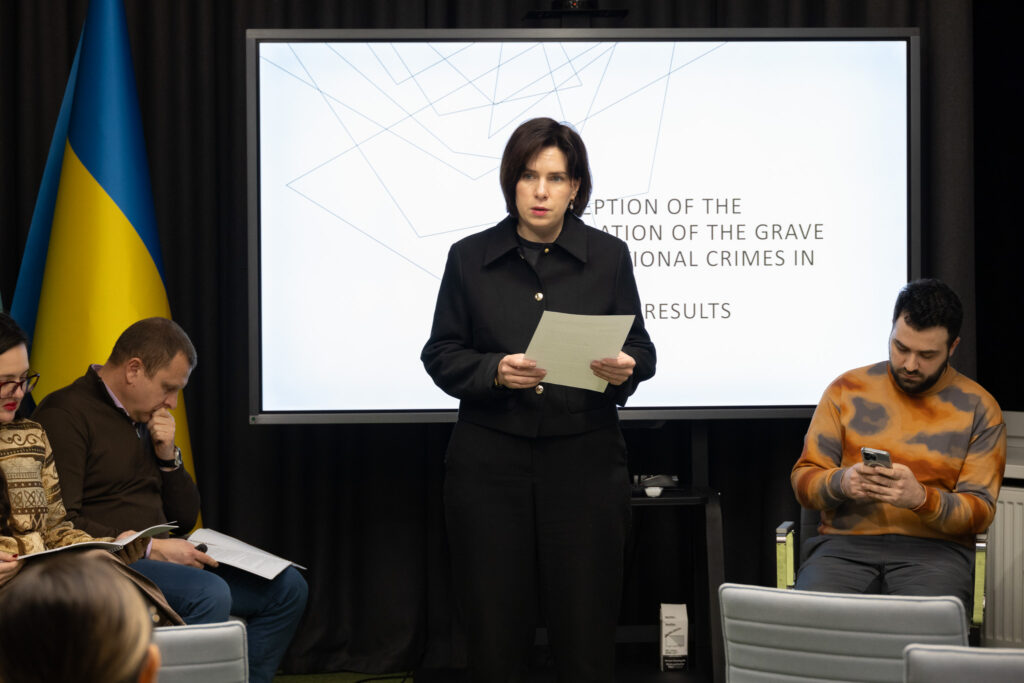
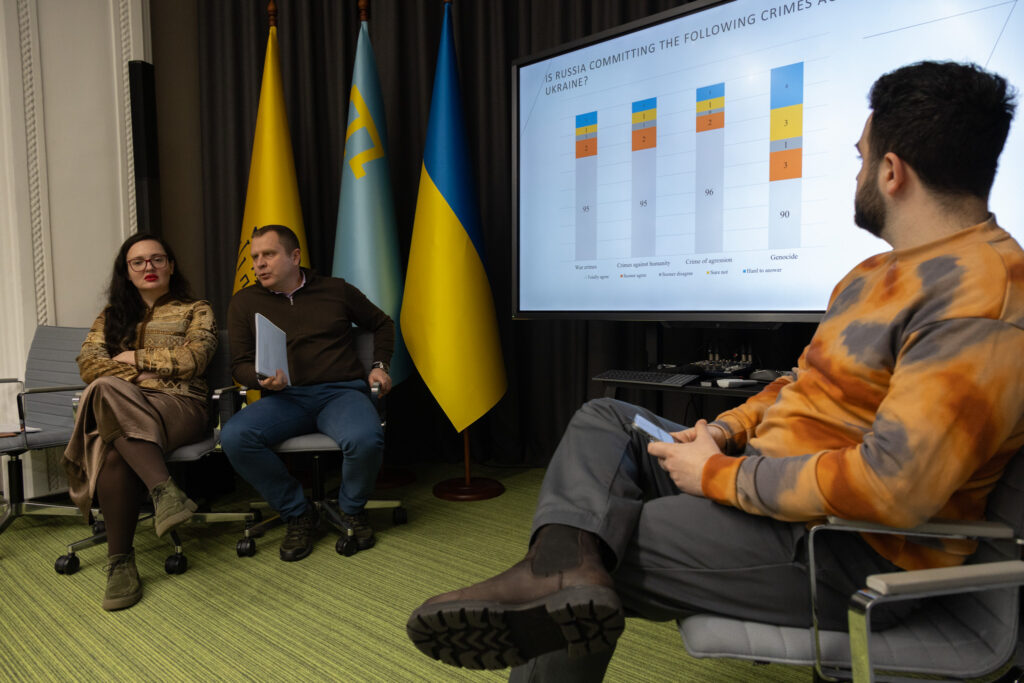
The event was attended by Andrii Chernousov, an expert at the Kharkiv Institute for Social Research; Veronika Plotnikova, Head of the Coordination Center for Victim and Witness Support at the Office of the Prosecutor General; Maksym Yelihulashvili, an expert from the Ukraine 5 AM Coalition; and Alina Pavliuk, an analyst and lawyer coordinator with the Ukrainian Legal Advisory Group. The discussion was moderated by Arie Mora, Advocacy and Communications Manager at the Ukrainian Legal Advisory Group.
During her address, Acting Permanent Representative Olha Kuryshko outlined the key areas of the Mission’s work aimed at supporting state policies for the reintegration of temporarily occupied territories. She emphasized that one of the primary objectives is the development of strategic documents, including plans for economic recovery, cognitive de-occupation measures, and specific actions by state authorities following the liberation of these territories.
Olha Kuryshko underscored the importance of restoring justice and fairness in de-occupied territories. She highlighted that one of the key challenges for state authorities will be addressing the consequences of prolonged occupation, which involved systemic human rights violations such as unlawful detentions, torture, enforced disappearances, and restrictions on the right to a fair trial. She stressed the necessity of a comprehensive approach and joint efforts by all state authorities and civil society to achieve these goals.
“The results of sociological studies and national surveys on public attitudes toward justice processes, as well as the support and protection of victims, are extremely important. They form the foundation for developing reintegration mechanisms that take into account the unique experiences and needs of those affected by the occupation regime, approaches to compensation and rehabilitation, and building public trust in state institutions,” stated Olha Kuryshko.
According to experts, the primary needs of victims of war crimes include social guarantees, legal assistance, and access to housing. During the event, special attention was given to defining the status of those affected by the war, the need to enhance transparency, and increasing awareness about access to state support services, as the majority of victims are unaware of how to obtain assistance.
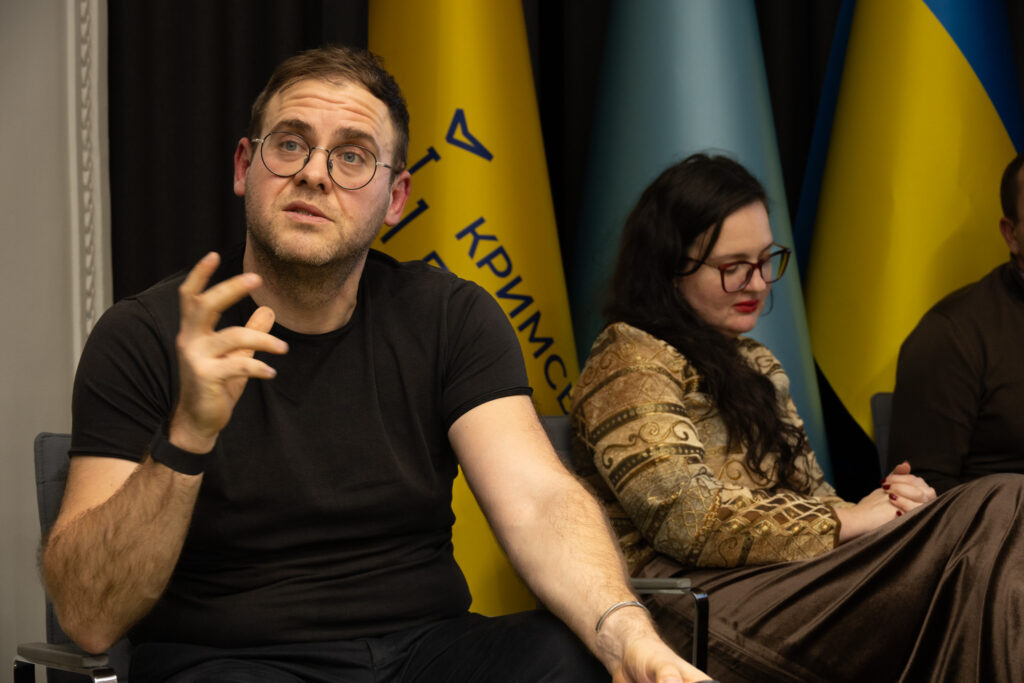
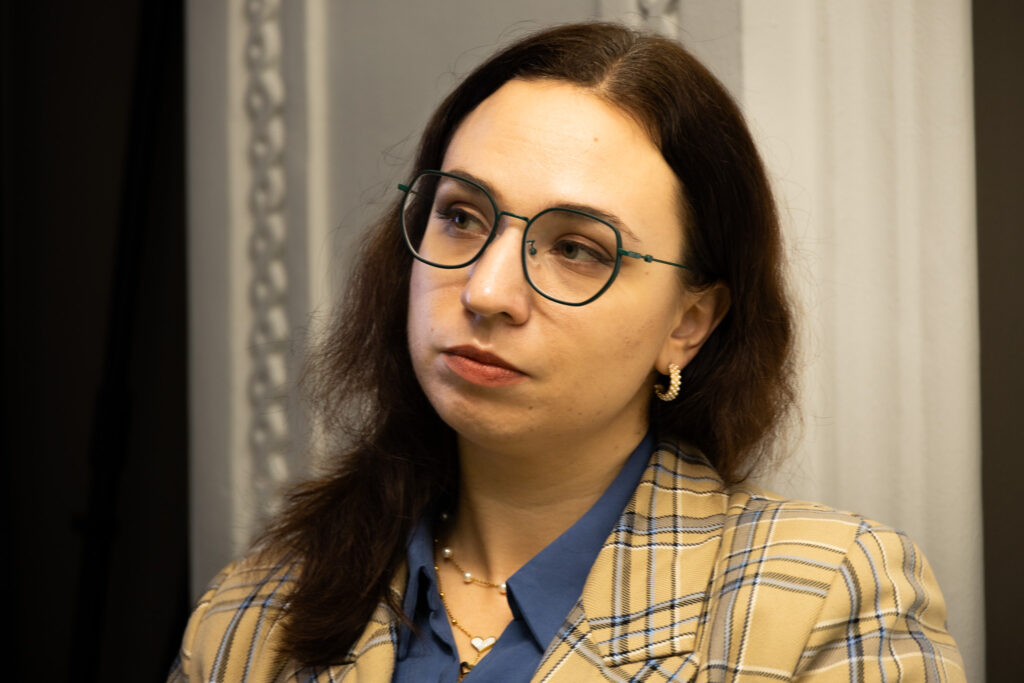
The panelists emphasized that the main challenge in working with victims of war crimes is the insufficient level of interaction between state institutions, non-governmental organizations, and the victims themselves. A significant gap exists between service providers and those in need, as the available social services are inadequate to meet the overwhelming demand. It was noted that, at the state level, victims face considerable challenges because the system cannot provide them with proper protection and support. This underscores the urgent need to reform the system to increase trust in the justice process.
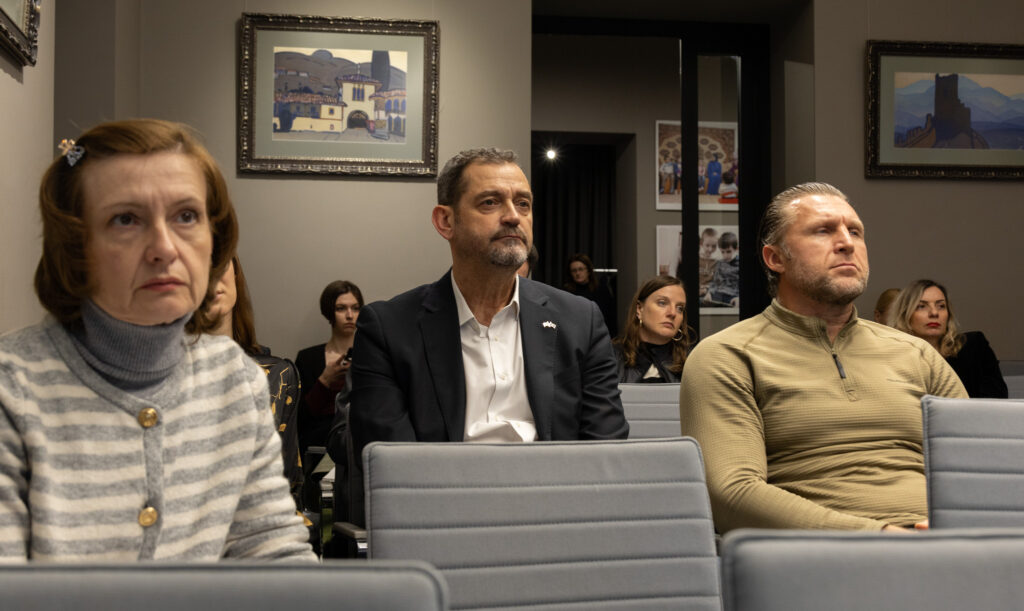
Experts emphasized that both military personnel and civilians share a common belief in the possibility of reclaiming temporarily occupied territories and reintegrating their populations into Ukraine’s shared future. This sentiment serves as a positive signal of unity between society and the armed forces.
In concluding the discussion, participants highlighted the need to establish not only judicial but also non-judicial mechanisms to foster a sense of justice. They stressed that victims, veterans, and civilians should experience justice not only through court rulings but also through access to a robust healthcare system and other essential social services.