The second and final day of the Crimea Days took place at the National University of Ostroh Academy on May 6.
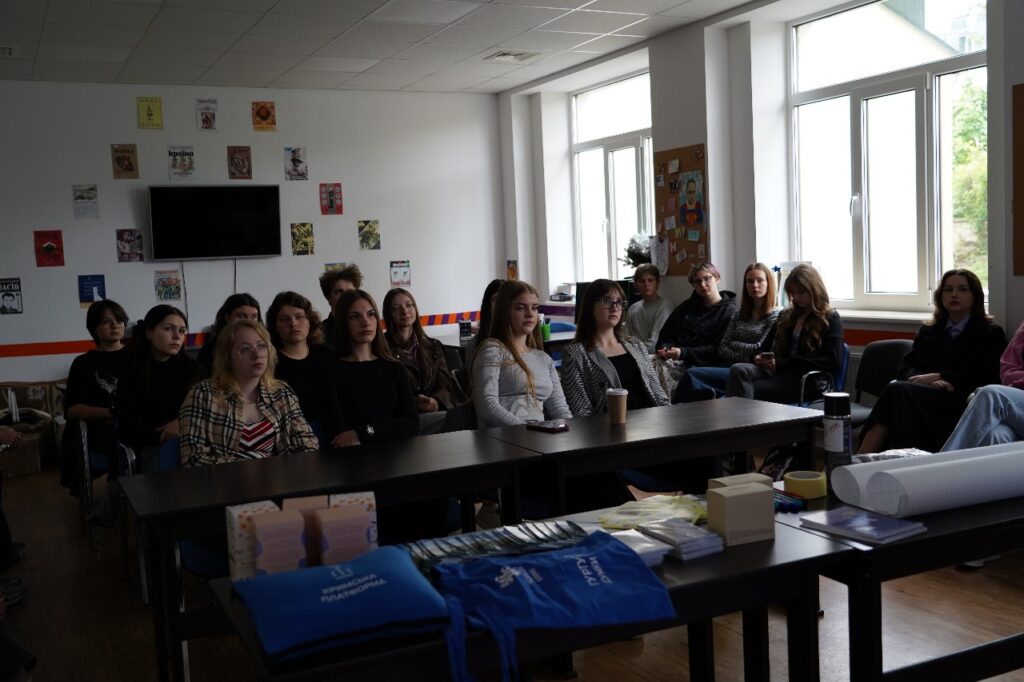
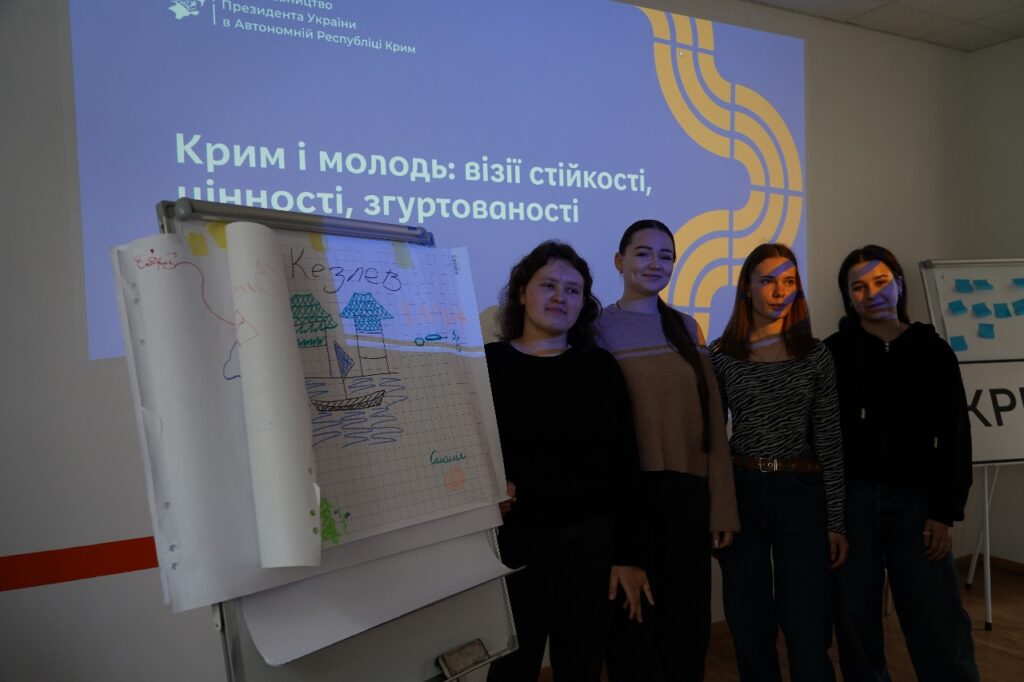
The day began with a youth workshop from the series Crimea and Youth: Visions of Resilience, Values, and Cohesion, held at the J-Lab School of Journalism. During the session, students of the academy discussed how the younger generation envisions Crimea after de-occupation, the values on which its renewal should be based, and the role education, interregional solidarity, and civic cohesion will play in this process. The discussion was held in an open-dialogue format with the participation of youth leaders, researchers, and civil society representatives.
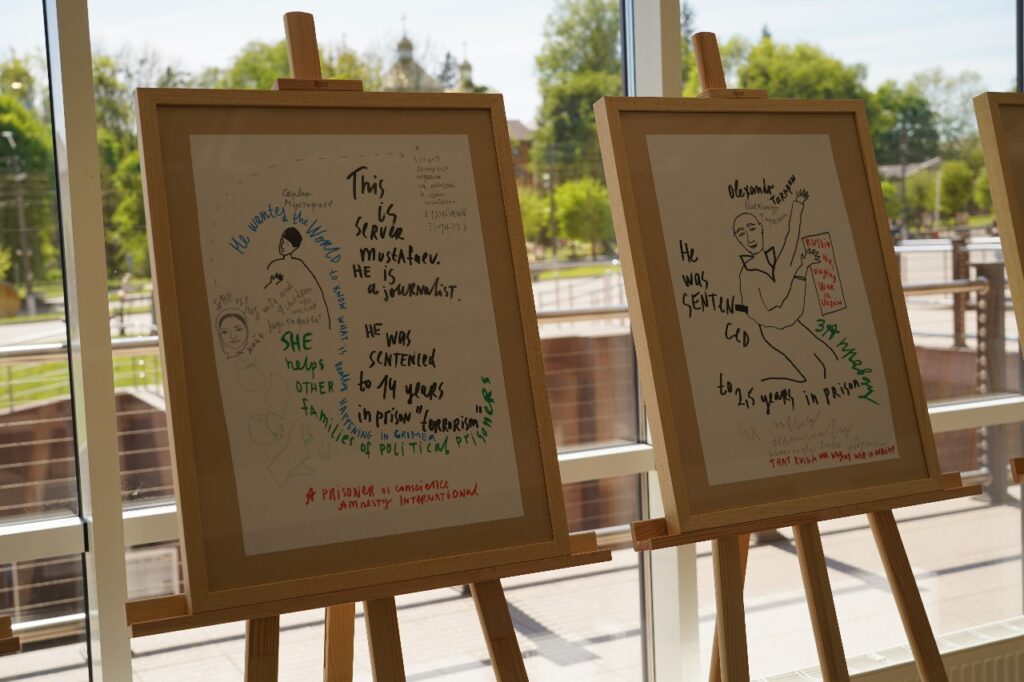
As part of the cultural program, the QIRIM İÇÜN / For Crimea exhibition was opened. The project uses the language of art to preserve national memory and draw attention to the issue of Crimea in an international context. Implemented by the Mission in cooperation with the Office of the Crimea Platform and the media initiative Crimea Daily, the exhibition has previously been showcased in the parliaments of Estonia and Latvia and in museums across Ukraine.
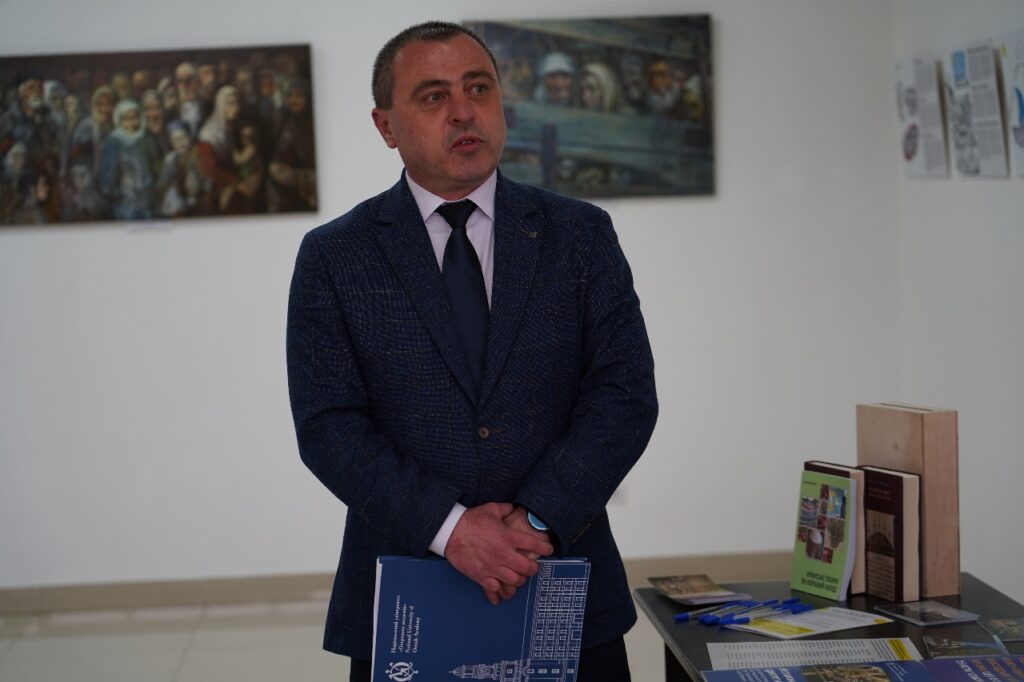
The day’s key event was a meeting between students and the Permanent Representative of the President of Ukraine in the Autonomous Republic of Crimea, Olha Kuryshko, followed by a panel discussion titled “Crimea Through the Eyes of the War Generation.” The conversation featured researchers and activists working in the fields of Crimean studies and human rights: Oleksandra Visych, Yevheniia Kocherha, and Elina Novokhatska. In their speeches, they shared their views on the challenges and prospects Ukraine faces in the process of reclaiming Crimea and emphasized the importance of intergenerational solidarity.
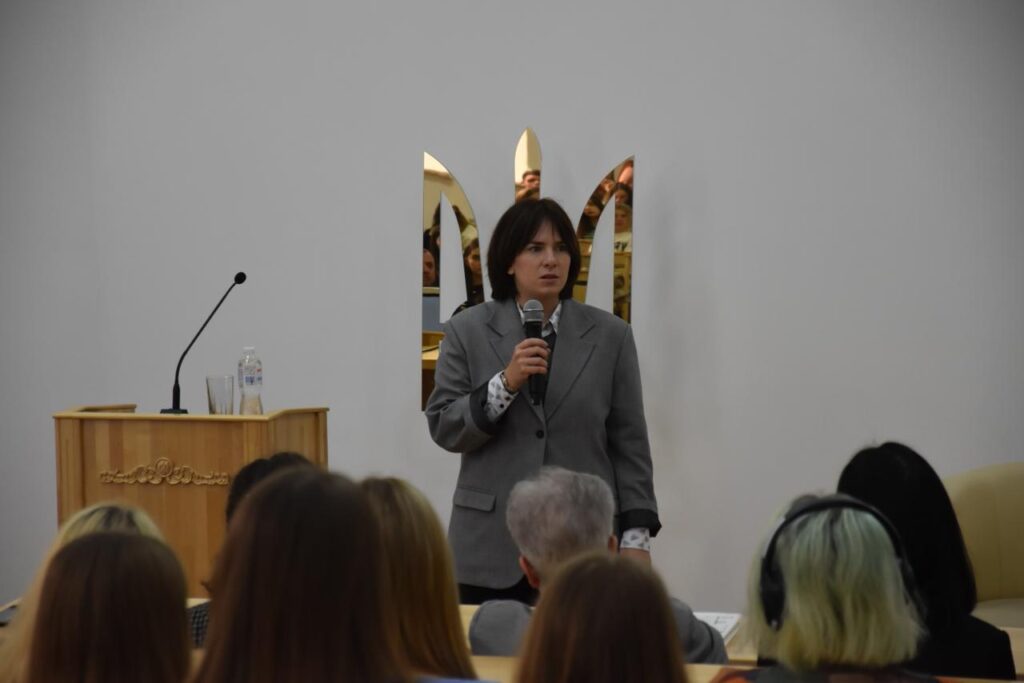
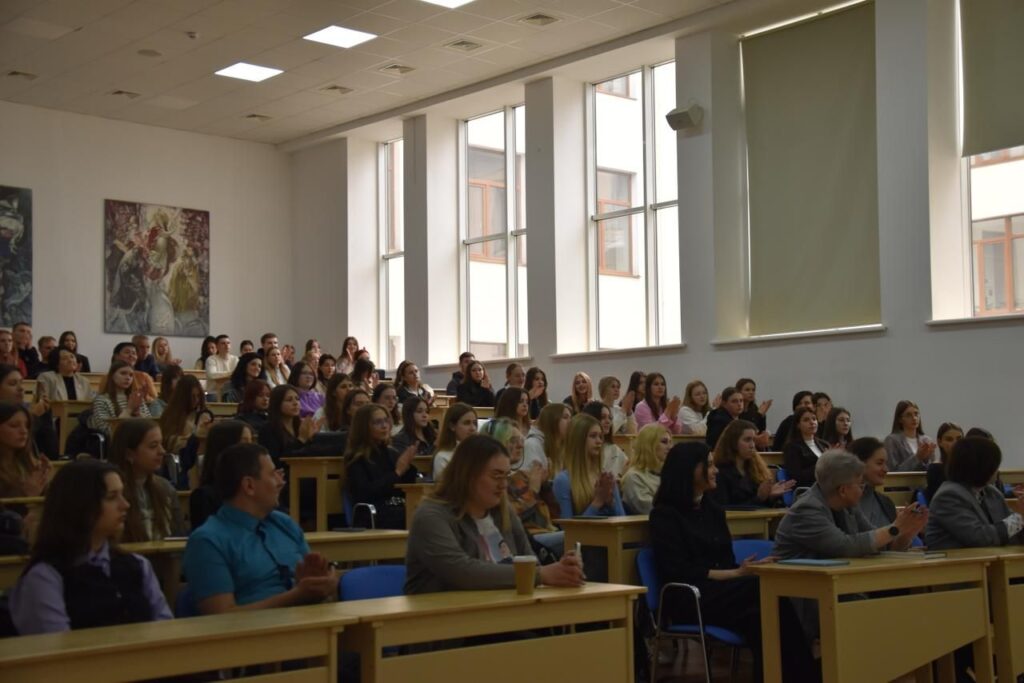
Permanent Representative Olha Kuryshko spoke about the history and activities of the Mission of the President of Ukraine in the Autonomous Republic of Crimea, highlighting the specifics of its work under occupation and since the beginning of the full-scale invasion. She outlined mechanisms for supporting citizens in territories under Russian control and emphasized the Mission’s focus on youth engagement. She also stressed the importance of training a new generation of professionals for the future reintegration of Crimea, encouraging students to apply for internships, participate in the Mission’s initiatives, and engage in shaping de-occupation policies.
“In today’s circumstances, it is critically important to amplify the presence of Crimea and its residents in the public sphere, because the lives of people living under occupation and the crimes of the aggressor state must not remain unseen,” she emphasized.
Students actively engaged in the discussion, raising issues related to postwar reintegration mechanisms, the role of the Crimea Platform, guarantees of rights for peninsula residents, educational opportunities for youth from temporarily occupied territories, and Ukraine’s information policy on Crimea.
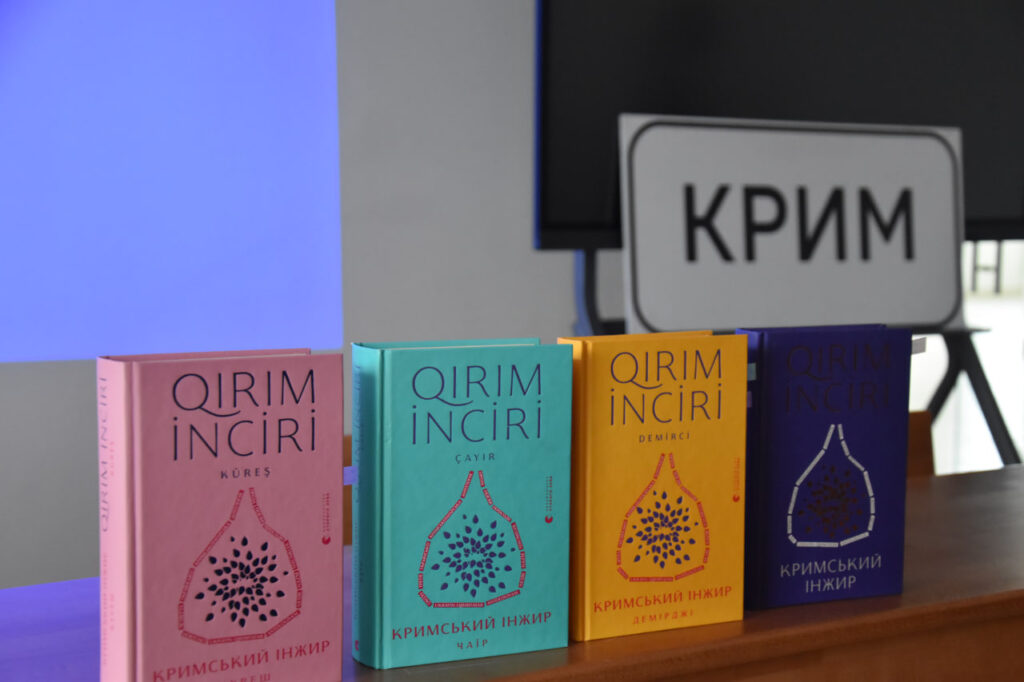
The day concluded with readings of letters from Ukrainian political prisoners and poetry from the anthology Crimean Fig / Qırım İnciri. Through the power of artistic expression, participants reflected on the deep reality of resistance, the pain of loss, the hope for liberation, and the dignity of Crimean Ukrainians and Crimean Tatars who continue to resist the occupation. Students, local officials, and human rights defenders all took part in the readings.
We extend our gratitude to the National University Ostroh Academy for its support and assistance in organizing the Crimea Days, as well as to the Foundation of Regional NGO Initiatives for their active participation and partnership.