Yesterday, the Council on the Cognitive De-occupation of Crimea held its third workshop on national memory, Ukrainians of Crimea: Possible Steps to Restore Ukrainian Identity in the Process of Cognitive De-occupation.
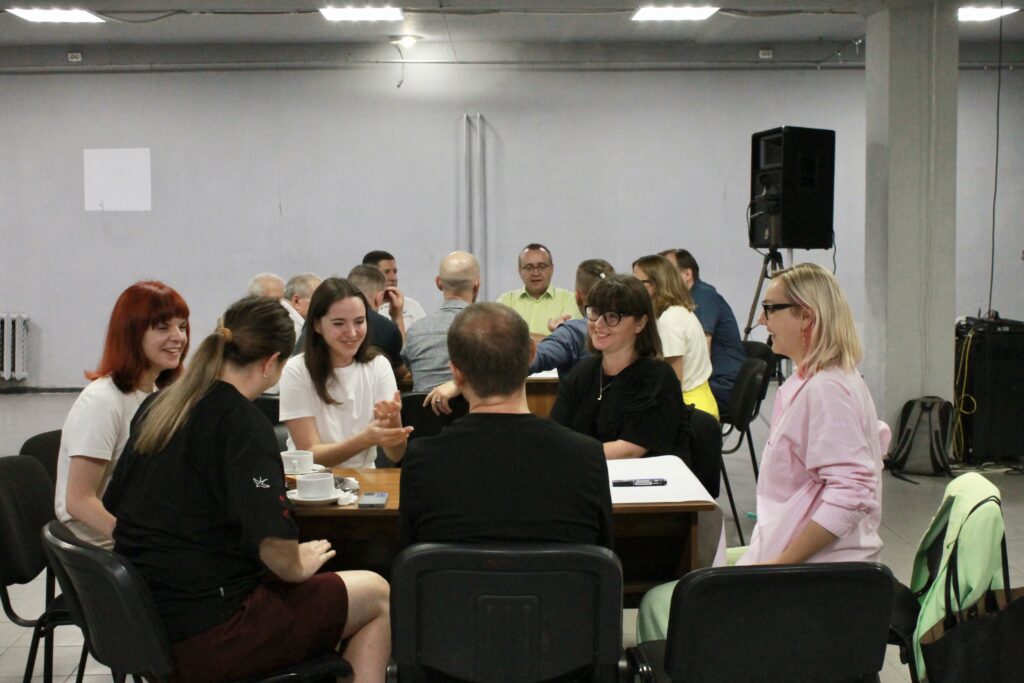
The workshop was devoted to discussing the current situation of Ukrainian identity in Crimea before and during the occupation, the prospects for its restoration after the peninsula’s liberation, and the remembrance policy for the Ukrainian community of the Crimean Peninsula.
The representatives of the Mission, the National Council of Ukrainians of Crimea, the Commissioner for the Rights of the Residents of the Autonomous Republic of Crimea and the City of Sevastopol, the Secretariat of the State Language Protection Commissioner , the State Service for Ethnic Policy and Freedom of Conscience, the National Council on Television and Radio Broadcasting of Ukraine, Ministry of Culture and Information Policy of Ukraine, the Ministry of Youth and Sports of Ukraine, the Ukrainian Institute of National Memory, the Center for Strategic Communication and Information Security, representatives of the public, media attended the event.
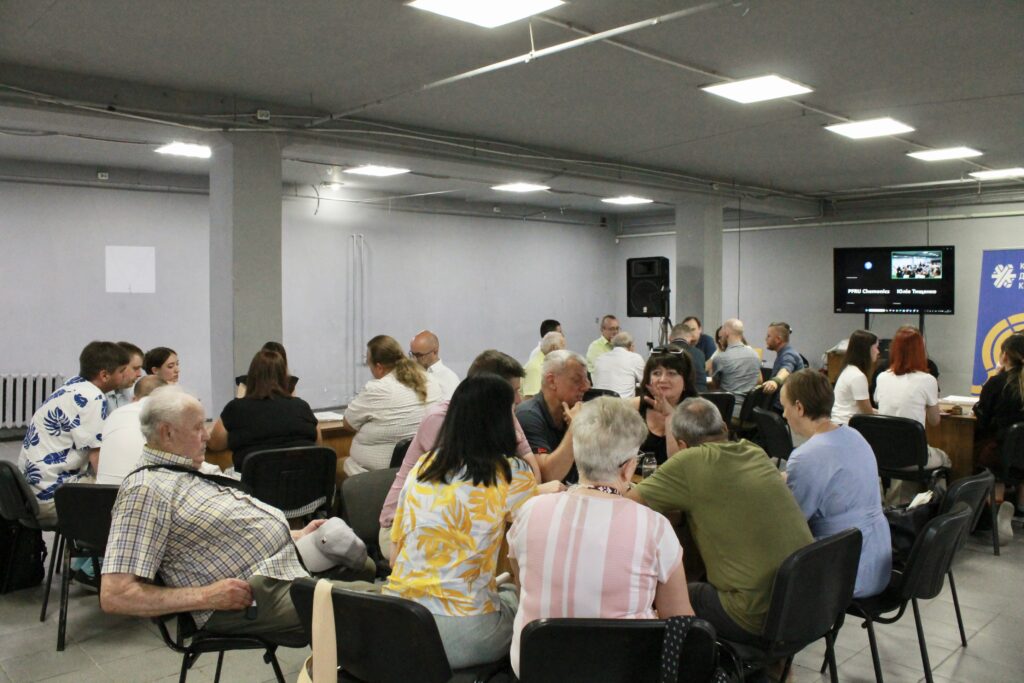
Deputy Permanent Representative Denys Chystikov noted that this is the next stage of important workshops within the framework of implementing the Strategy for Cognitive De-occupation, which was developed by the Mission and is now used by several state bodies and NGOs under the coordination of the Council on Cognitive De-occupation. He stressed the significance of this work, which initiated numerous actions that the Ukrainian state had to execute before the de-occupation of Crimea.
Yevhen Bondarenko, Head of the Mission’s Information Support Department, emphasized that even before the occupation, the Russian Federation had been trying to influence the identity of Crimea for decades and spreading false narratives that there was no identity on the Crimean Peninsula other than “Russian” and that this was its policy of “big lies” and erasing the identity of our citizens. For years, centers have been developing in Crimea that nurtured the language, developed literature and art, reviving national memory and shaping modern history. He noted that even during the 2001 census, Russia artificially promoted the so-called “Russian identity” among Crimean residents because of the continuity of the past Soviet Union.
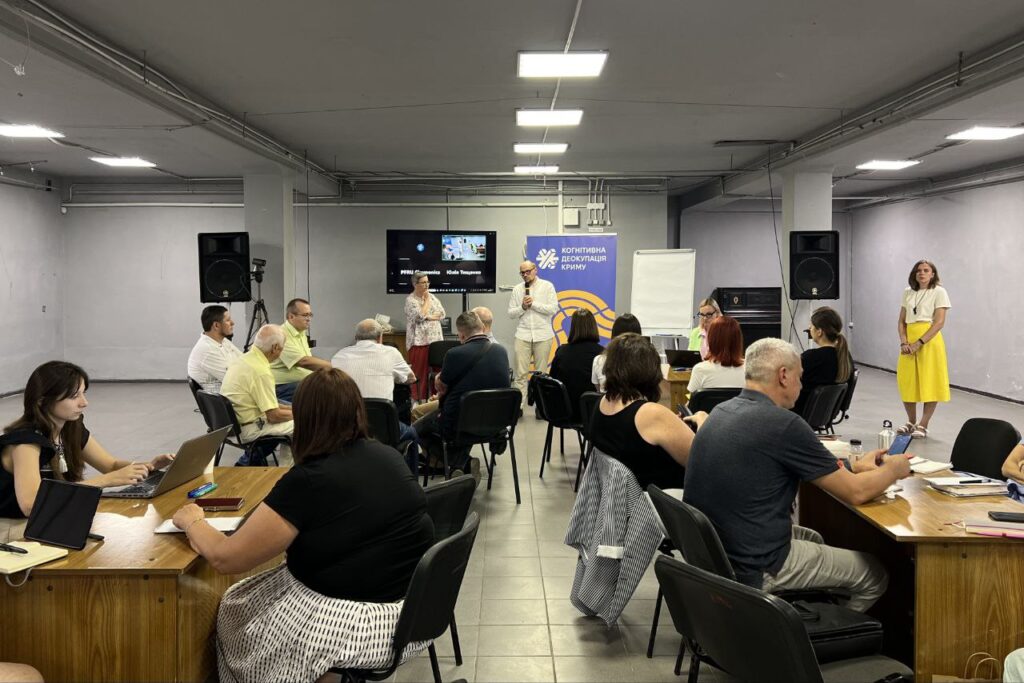
Andrii Ivanets, a representative of the National Council of Ukrainians of Crimea and a member of the Council, reminded that during the years of occupation, Russians have been destroying all manifestations of Ukrainian identity in Crimea, including the Orthodox Church of Ukraine, depriving people of another center that helps them preserve their identity. He also emphasized the importance of relying on citizens who have preserved their Ukrainian identity all these years, despite the oppression of the occupation and Russian propaganda, and Ukrainians in Crimea who have moved to the mainland and are engaged in educational work, journalists, military personnel and veterans, in regaining control after the de-occupation of Crimea.
The workshop participants discussed the occupation administrations’ bans on the use of Ukrainian culture, language, and religion in Crimea, which resulted in the destruction of Ukrainian national identity and values.
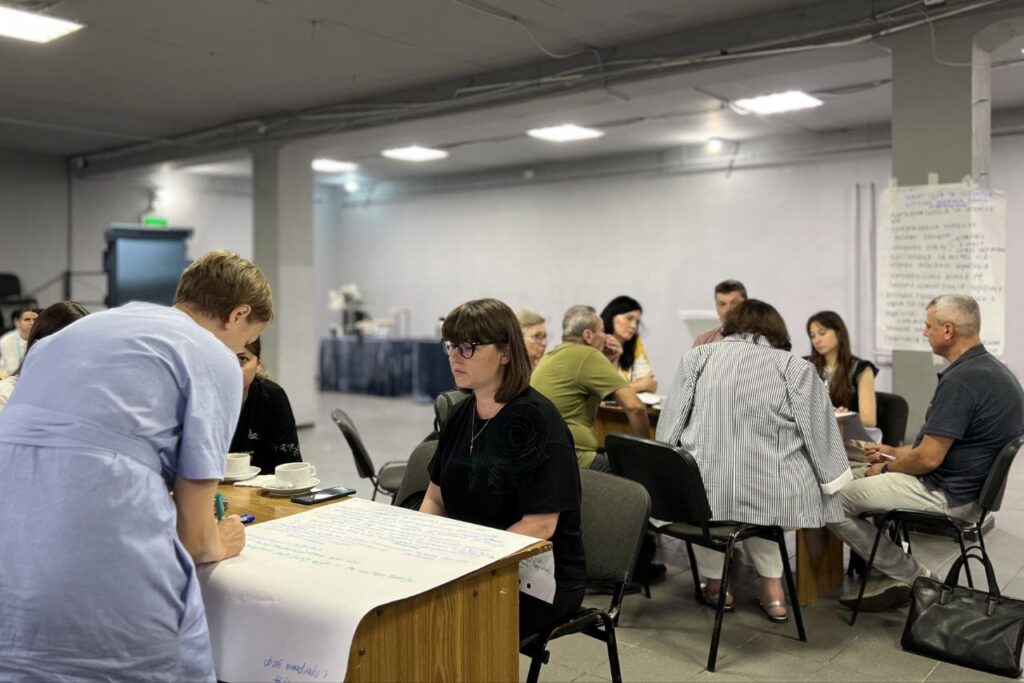
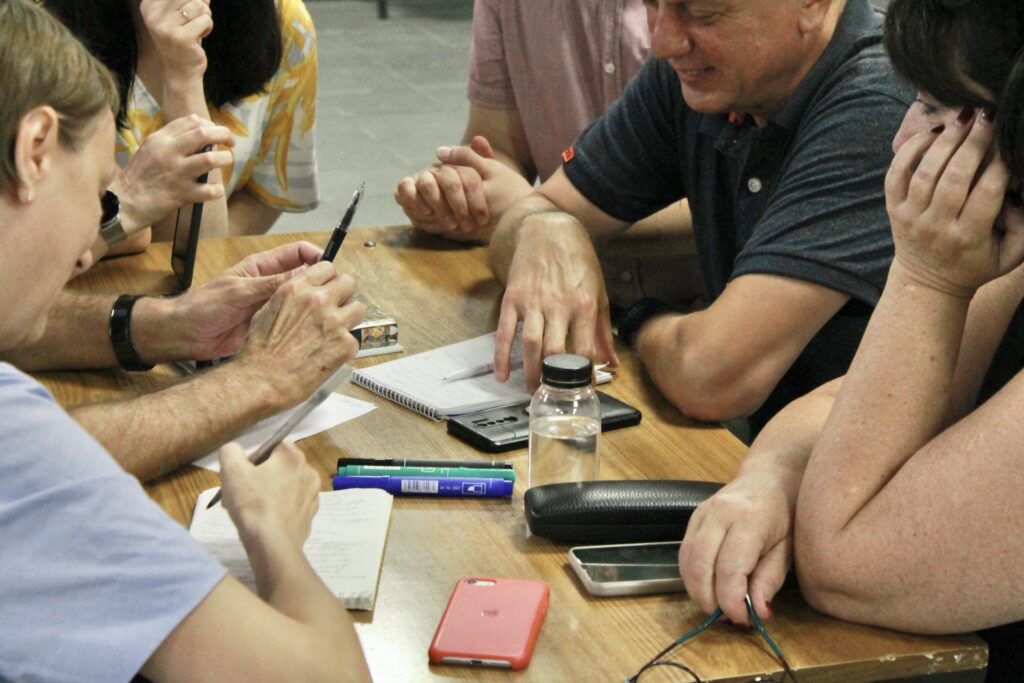
The participants also discussed the general policy of cognitive de-occupation of the peninsula to restore Ukrainian identity and the challenges associated with this during the future reintegration of Crimea after de-occupation, taking into account the problems of Ukrainians in Crimea in various fields, including memory, culture, education, and media. Recommendations were developed in these areas, including improving legislation and specific steps to restore the civil, political Ukrainian, and ethnic identity of Ukrainians in Crimea.
The event was held within the Council on Cognitive De-occupation of Crimea framework, which operates under the Mission. The workshop was organized with the support of the Partnership Fund for a Resilient Ukraine (PFRU), funded by aid from the governments of Canada, Finland, Netherlands, Sweden, Switzerland, the United Kingdom, and the United States.