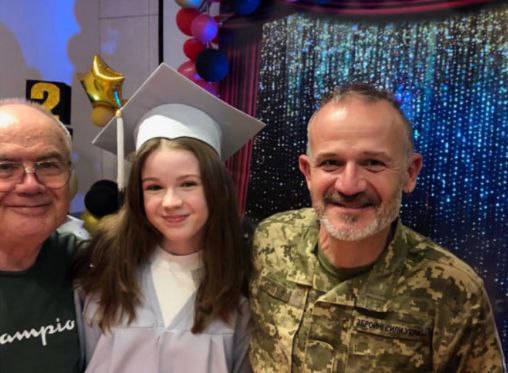
Today, on Independence Day, we are telling the story of Petro Koshukov, a Ukrainian Krymchak, who has been defending Ukraine with arms since 2022.
Before the large-scale invasion, Petro worked in international and independent Ukrainian media, projects aimed at developing the regions of Ukraine, including Crimea.
“A family photo of the people I have the warmest memories of. Among them is my grandmother Zlata, born in Sevastopol to a Krymchak family. During the Nazi occupation of Crimea in World War II, most Krymchaks were subjected to pressure, persecution, and the threat of extermination. To avoid this, she and her family evacuated to Georgia by ship. After the war, my grandmother returned to Sevastopol and spent her entire life there.”


My grandmother also played in the Krymchak theater as part of a troupe, actively participating in the cultural life of her people.
My grandmother worked as a daycare teacher and later became the head of the kindergarten. She told me a lot about the traditions of the Krymchaks, introduced me to their culture, and taught me the Krymchak language. The Krymchaks often gathered in small groups, spoke in their native language, and played card games. In addition, my grandmother Zlata was a good cook of Krymchak dishes and passed this culinary knowledge on to my mother.


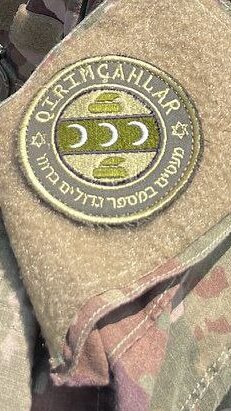
Another thing that I cherish and that is valuable to me is a chevron. It symbolizes Ukraine’s struggle for independence and participation in this struggle of the Indigenous peoples of Ukraine, the Krymchaks. It depicts the coat of arms of Karasubazar, the city, and center of their culture, which is native to many Krymchaks. The chevron also features traditional headdresses worn by the Krymchaks.
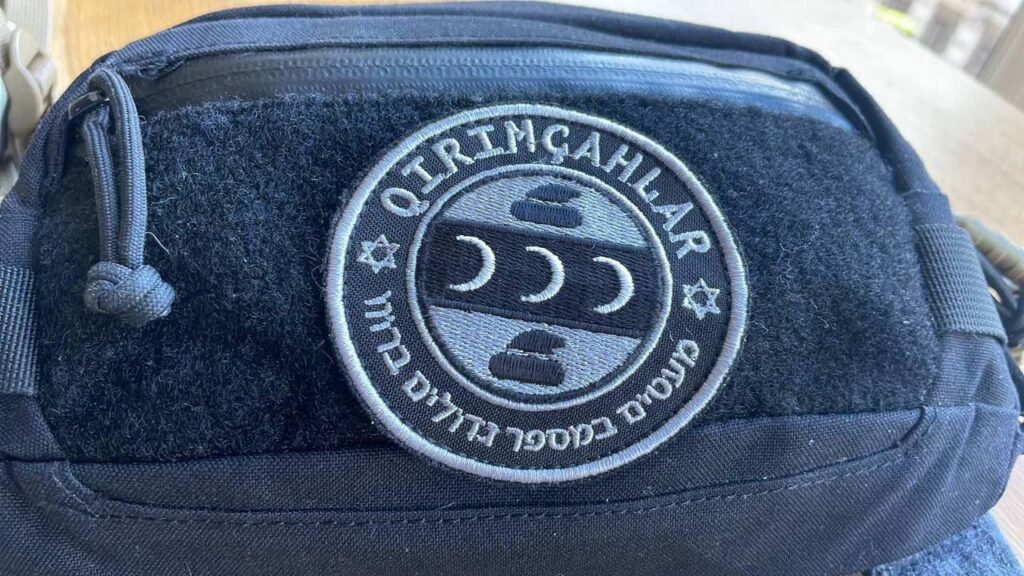
The chevron bears the inscription “Small in number, but unconquered” in Hebrew and Krymchak. This motto describes our people, who, despite all the difficulties, threats, and external influences, have survived and are now an integral part of Ukraine’s struggle to liberate the Crimean Peninsula.
“Many Krymchaks, like many other ethnic groups in the USSR, were forced to assimilate due to its colonialist policy to avoid repression and save the lives of their families. Since the 1930s, they often had to speak Russian, use Russified names, and give up their cultural heritage. Although my grandmother was also affected by this influence, she preserved some traditions and passed them on. And despite all the trials, she was able to preserve for us, her descendants, a piece of this heritage that connects us to the past, keeps us safe in the present, and is a hope for the future.”