Following the Visit to Odesa, the Mission’s Team Proceeds to Dnipro
26.04.2025
As part of the Mission’s Council on Cognitive De-occupation and the development of youth initiatives, the Mission’s team proceeded to Dnipro following its visit to Odesa.
During this official visit, and in accordance with instructions from the Permanent Representative, the team conducted a series of working meetings with representatives of local self-government bodies, higher education institutions, and civil society organizations. Discussions focused on advancing the topic of the Crimean Peninsula within the region, including plans to hold new events in Dnipro dedicated to Crimea. These initiatives will encompass cultural and artistic exhibitions, discussion platforms, and educational activities for youth.
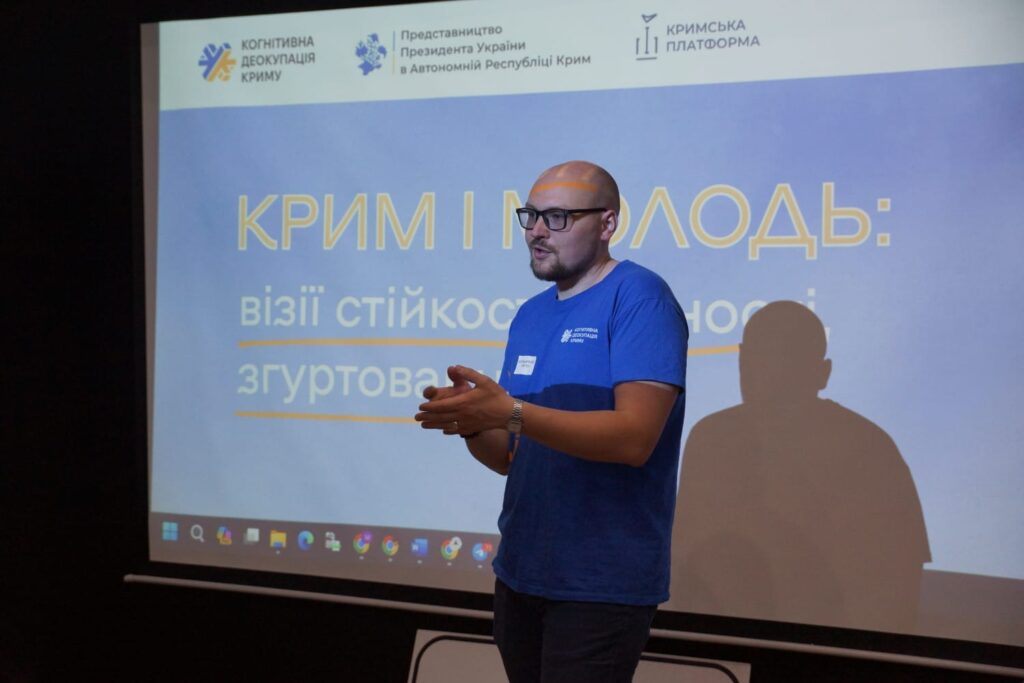
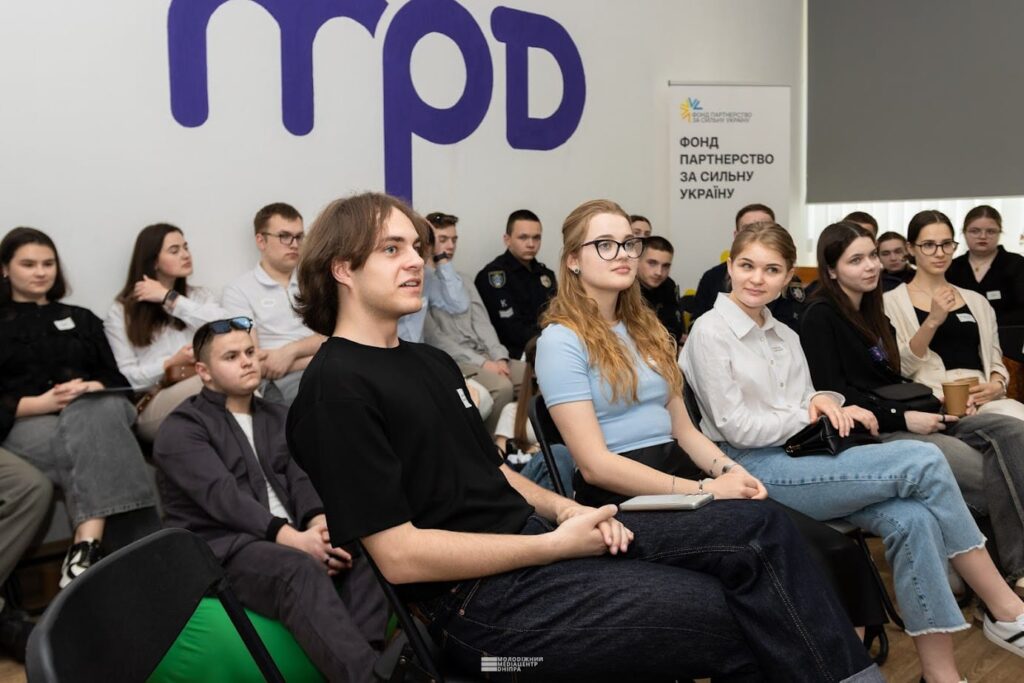
On April 25, the city of Dnipro hosted the latest youth workshop in the series of discussions titled “Crimea and Youth: Visions of Resilience, Values, and Cohesion.” The event brought together young people—including high school and university students, civic activists, and participants in youth initiatives—and was attended by more than 35 participants.
The workshop was officially opened by Yevhen Bondarenko, Head of the Information Department of the Mission, along with representatives of local authorities, including Deputy Mayor of Dnipro Andrii Denysenko. The opening remarks emphasized the significance of the Crimean issue for all of Ukraine and highlighted the unique role of youth in the processes of reintegration and restoration of the peninsula.
In his address, Yevhen Bondarenko outlined the Mission’s initiatives aimed at supporting the youth of Ukraine’s Indigenous peoples—including Crimean Tatars, Karaites, and Krymchaks—and drew attention to the ongoing challenges posed by systematic human rights violations, policies of Russification, and the militarization of the Crimean Peninsula.
“We must cultivate a generation that not only remembers Crimea, but lives with the idea of its development. Youth should serve as the driving force in the struggle for justice and the rights of those who remain under occupation,” emphasized Yevhen Bondarenko.
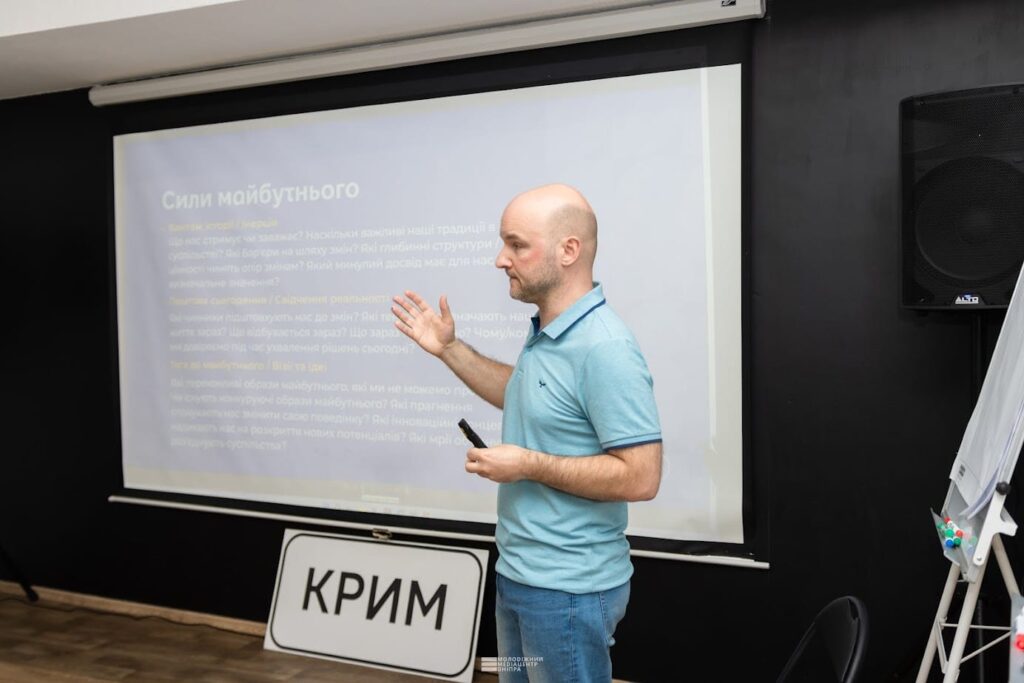
During the lecture session, the event featured contributions from Dmytro Teperik, an international expert on resilience, security, and strategic communications, as well as Yuliia Tyshchenko, Chair of the Board of the Ukrainian Independent Center for Political Studies and co-founder of the National Platform for Resilience and Cohesion.
Within the framework of the event, Dmytro Teperik called on young people to take an active role in shaping the future of Crimea, emphasizing the importance of understanding, already today, what changes are necessary to build a free and just society on the peninsula.
“The younger generation of Ukrainians, especially those living in frontline areas, has a critical national task—to envision and discuss dreams for the future, including a vision of Crimea as part of a free and democratic European Ukraine. Preparing for the future is an essential aspect of cognitive de-occupation, which requires responsibility from both current and future generations,” stated Dmytro Teperik.
Yuliia Tyshchenko emphasized the importance of maintaining ties with residents of the occupied territories, highlighting that preserving their trust will be one of the main challenges after de-occupation.
“We must not forget about people living in the occupied territories—this is a key component of our national unity and cohesion. Young people need more knowledge and information about life and current events under occupation in Crimea,” said Yuliia Tyshchenko.
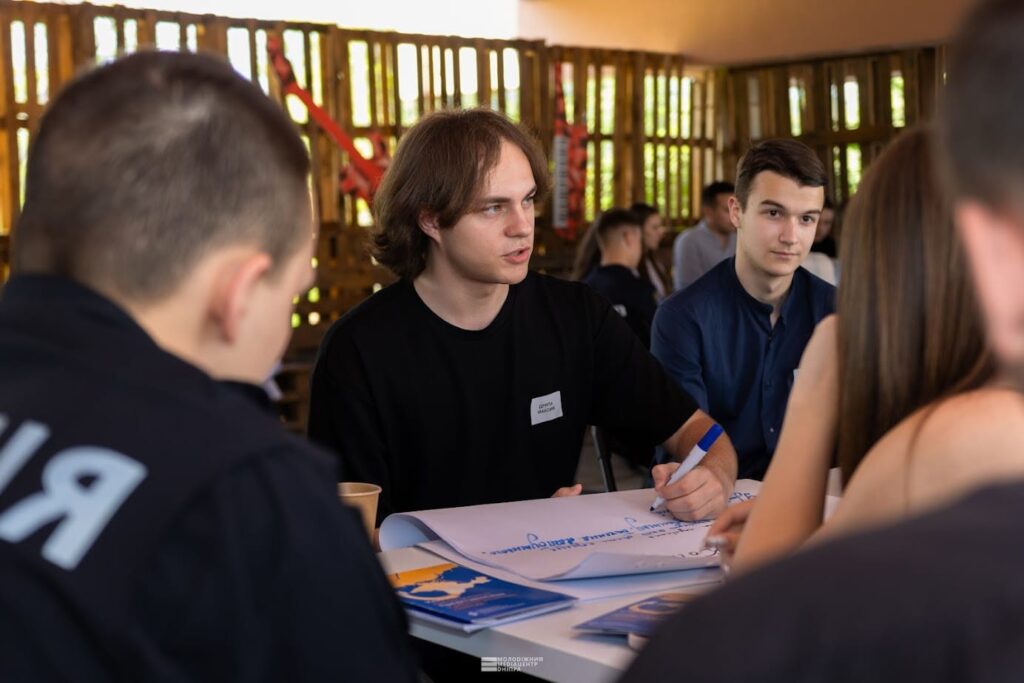
During the workshop, participants worked in groups to discuss ways to preserve the linguistic and cultural heritage of the Crimean Tatars, overcome the information gap between Ukraine and Crimea, support Indigenous peoples, and develop strategies for reintegrating Crimea into national consciousness. The youth also reflected on the challenges and opportunities that may arise after the de-occupation of the peninsula, emphasizing the importance of shaping a vision for a just, democratic, and inclusive future for Crimea.
The event was organized by the Mission, with support from the Partnership Fund for a Resilient Ukraine, funded by the governments of the United Kingdom, Estonia, Canada, the Netherlands, Norway, the United States of America, Finland, Switzerland, and Sweden.
Additional support was provided by the Ministry of Youth and Sports of Ukraine, the All-Ukrainian Youth Center, the Dnipro City Council, and Dnipro Regional Military Administration, the Dnipro Youth Center, as well as media initiatives Crimea Daily,Cemaat, and the School of Media Patriots and Resilient Ukraine NGOs.