On December 18, the Mission hosted a presentation of the analytical note titled Approaches to Documents Issued Under Occupation, which addressed the recognition of specific facts or legal actions certified by documents issued by the occupation administrations.
The event was attended by representatives from the Ministry of Education and Science of Ukraine, the National Health Service of Ukraine, the Ministry of Justice, the Ministry of Social Policy, the Ministry of Internal Affairs, the State Migration Service, the Prosecutor’s Office of the Autonomous Republic of Crimea and the City of Sevastopol, the Pension Fund of Ukraine, the Office of the Ukrainian Parliament Commissioner for Human Rights, the Supreme Court, and the Security Service of Ukraine. Representatives of civil society and human rights organizations also participated, including Donbas SOS, Right to Protection, the ZMINA Human Rights Center, East SOS, Crimea SOS, Influence Group, and others.
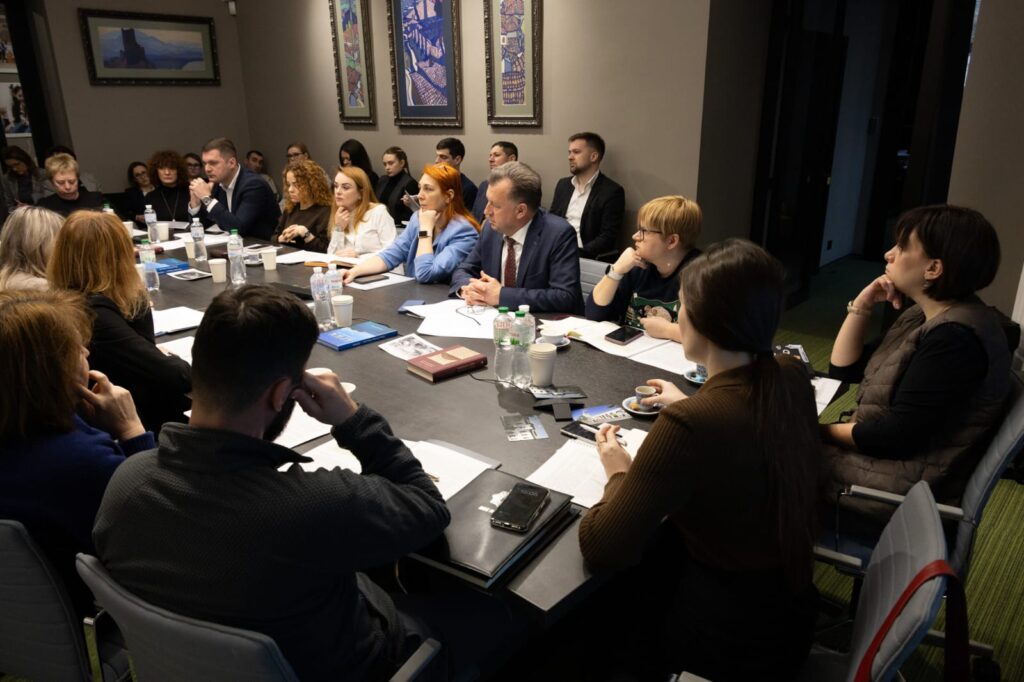
Acting Permanent Representative of the President of Ukraine in the Autonomous Republic of Crimea, Olha Kuryshko, highlighted key legal, social, and administrative aspects accompanying the de-occupation process of Crimea during her address. She emphasized the necessity of nullifying legal acts unlawfully implemented by the Russian Federation and addressing issues related to “documents” issued by the occupation administration. These issues span education, healthcare, labor relations, and property rights. Kuryshko also underscored the importance of protecting the rights of Ukrainian citizens who were compelled to use such “documents.”
Participants in the discussion specifically focused on challenges in education, healthcare, and law enforcement, as well as in obtaining birth certificates and identity documents. Given the prolonged period of occupation, many individuals only possess “occupational documents,” which presents significant challenges for both state authorities and citizens, both now and in the post-de-occupation period.
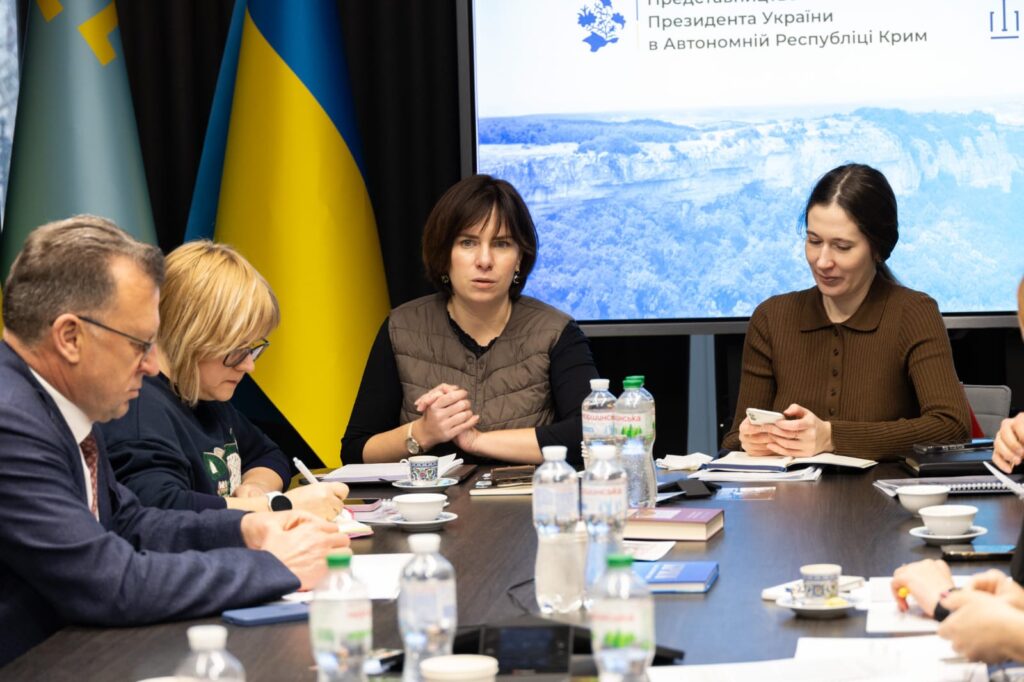
In this context, the participants stressed the importance of implementing integration mechanisms that would account for medical histories of citizens from the occupied territories, including records of surgeries, vaccinations, and other medical procedures.
Participants devoted particular attention to the issue of recognizing insurance and employment history accumulated in occupied territories. The discussion focused on technical and other specialists whose work was not associated with collaboration or support for the occupation administration.
In conclusion, participants emphasized that for the successful reintegration of the population from occupied territories and the restoration of activities in de-occupied areas, it is essential to consider the duration of the occupation, the living conditions of the people, and the need to safeguard their rights.