The event was devoted to the deportation of Ukrainian children by Russians, the erasure of children’s national identity under occupation, and the role of temporarily occupied Crimea as a platform where Russia tested mechanisms of militarization and indoctrination. The speakers were Dmytro Lubinets, Ukrainian Parliament Commissioner for Human Rights, Dariia Kasyanova, Head of the Board of the Ukrainian Child Rights Network, Olena Lunyova, Advocacy Director of the ZMINA Human Rights Center, Iryna Tuliakova, Head of the Coordination Center for the Development of Family Education and Child Care, and Valeriia Sydorova, a child who was returned after being forcibly relocated to the occupied Autonomous Republic of Crimea.
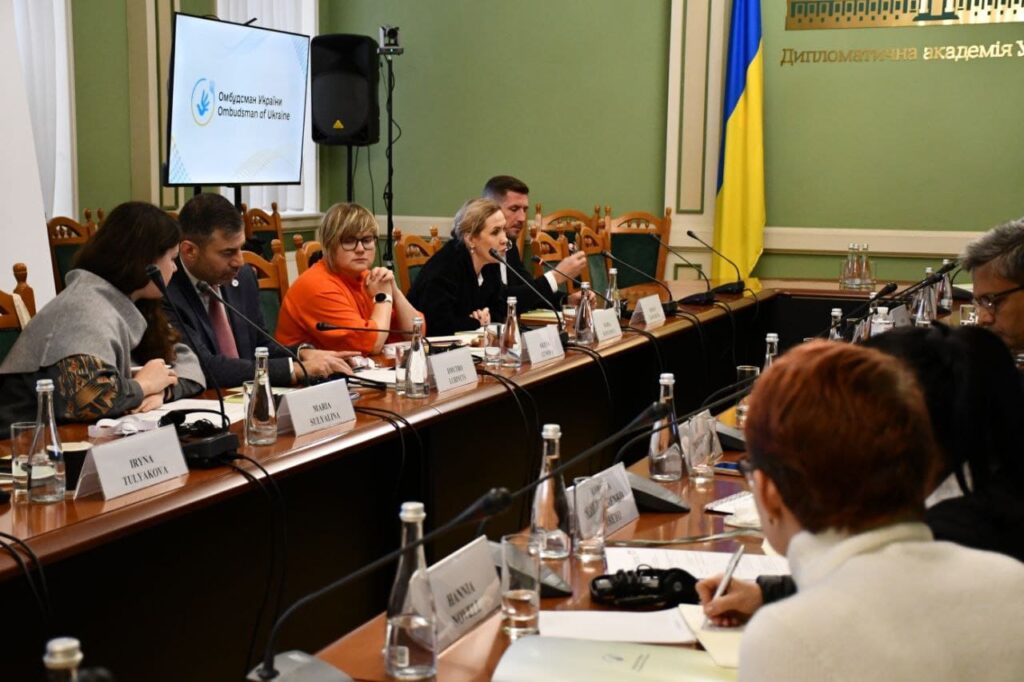
Дмитро Лубінець подякував іноземним учасникам конференції за візит в Україну у цей складний чIn the beginning, Dmytro Lubinets thanked the foreign participants of the conference for visiting Ukraine in this difficult time. He noted that Russia has been deporting Ukrainian children since 2014, with 19,546 deported children confirmed to date.
“But this is not the final number, the Russians have never disclosed data on Ukrainian children to anyone. There are one and a half million Ukrainian children living in the temporarily occupied territories, and we do not know how many of them have been deported. But Russia does it every day. In addition to deportations, the Russian Federation is carrying out the so-called change of identification. Children are pressured to use the Russian language and identify themselves as Russians. This is one of the signs of genocide. It is for this reason that the international court issued two arrest warrants, for Vladimir Putin and the Russian ombudsman.” – Dmytro Lubinets
The Ombudsman also recalled the process of militarization of Ukrainian children under occupation; all boys and girls are obliged to become members of Russian military organizations.
Dariia Kasyanova emphasized that in March 2022, the first appeal was received from the adoptive parents from Mariupol, when 12 children were abducted by Russians from a sanatorium. In April, one of the boys got in touch and said that they were in occupied Donetsk and were being prepared to be sent to Russia. It was only in June 2022 that we managed to get these children back.
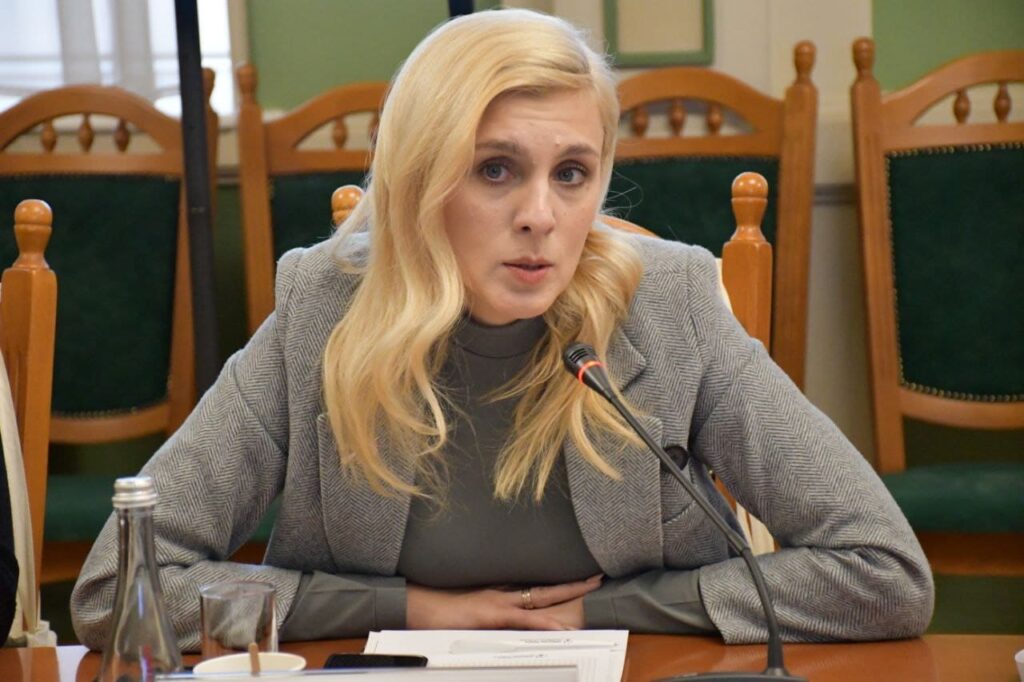
“As of today, we have returned 200 children, which is not much, but I want to talk about the role of Crimea. Since 2014, many families have been offered to move to the already occupied Crimea from Donetsk and Luhansk regions, as it was supposedly safer there. But already in August 2014, we learned that these children were taken to the territory of Russia, their documents were taken away, and they had no way to return. Also, in 2014, there were 4,000 children in boarding schools in the Autonomous Republic of Crimea and the city of Sevastopol, and we cannot return them either, despite the fact that some of them have relatives in the free territory of Ukraine,” Daria Kasyanova.
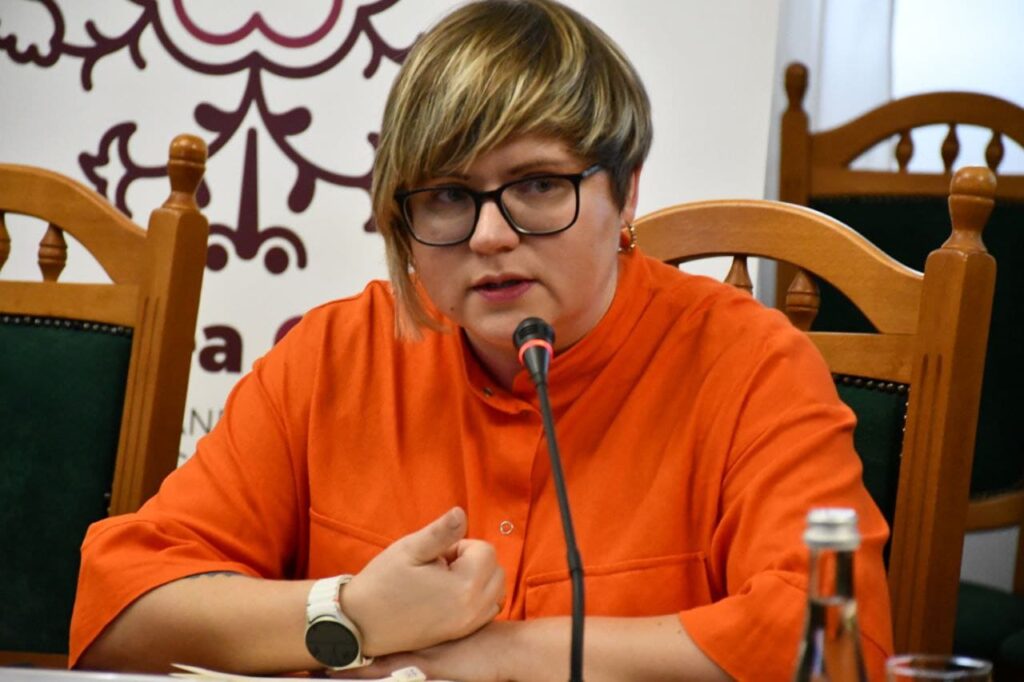
Olena Lunyova noted that we should also talk about the importance of citizenship, and since 2014 Crimea has become a platform for testing the mechanisms of militarization of the occupied territories.
“Russian military organizations exist to use Ukrainian children in the war against Ukraine in the future. The policies used by Russia in Crimea have now been extended to other occupied territories: forced citizenship, militarization, cultural policy of Russification, etc. There have been deportations since 2014, but we and the world have not paid attention to it. We need to study these mechanisms and policies,” Olena Lunyova
She also emphasized that today Russians are already raising Ukrainian children in the temporarily occupied territories.
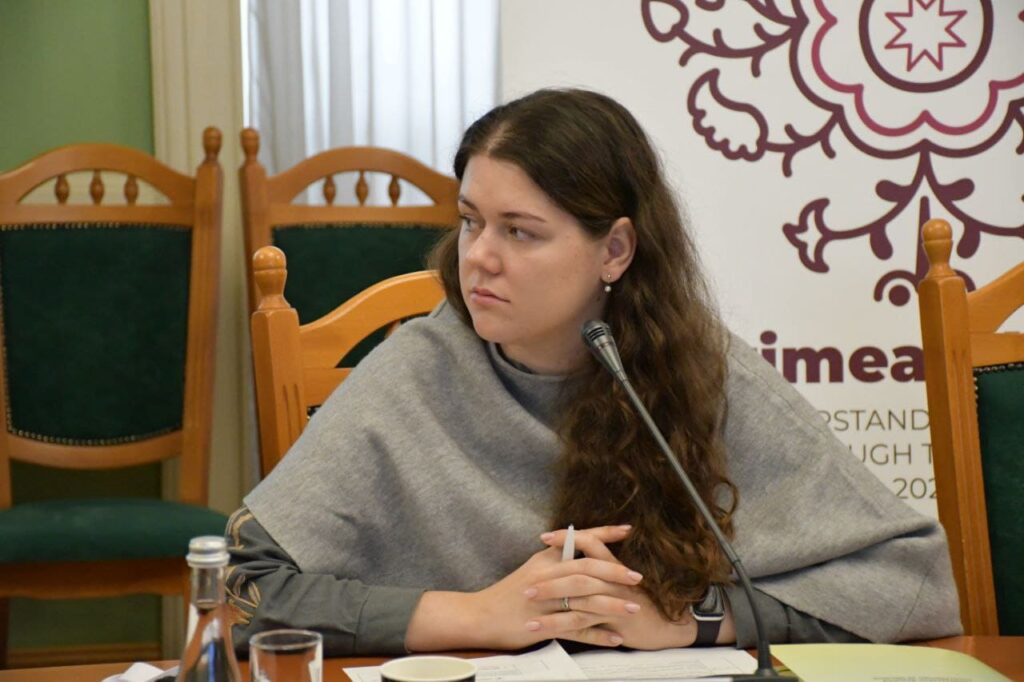
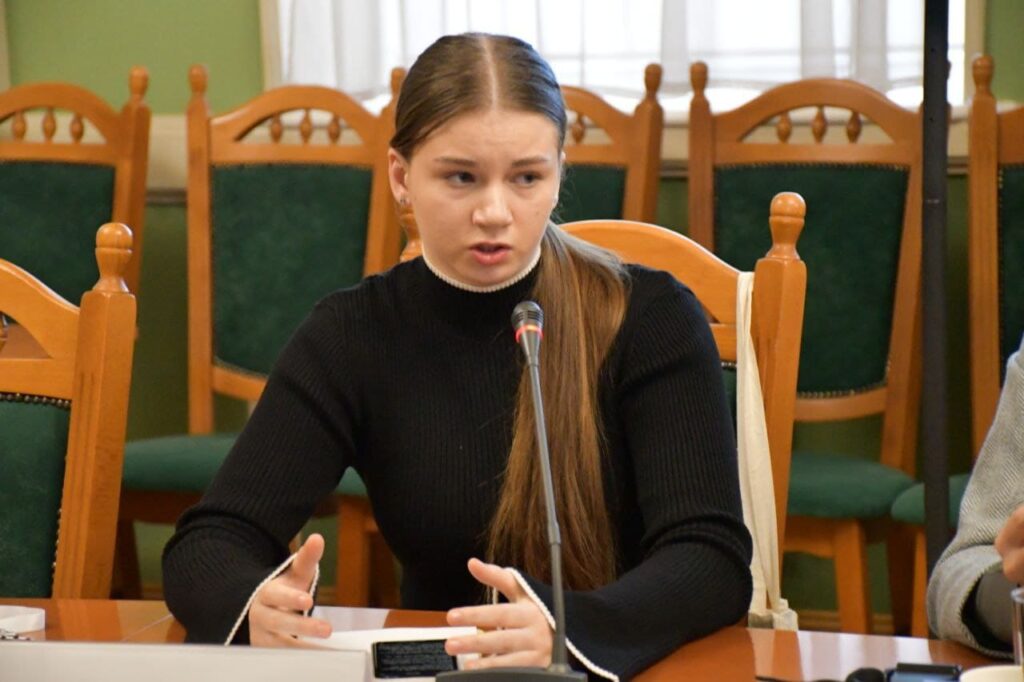
Ірина Тулякова наголосила, що найважливіша задача — це відновити поверненим дітям відчуття Iryna Tulyakova emphasized that the most important task is to return the children to feel at home.
“The process of reintegration of each child may take more than a year or two. Each child needs the help of psychologists and social workers. There are no identical cases, they are all unique, and each child has their own needs. The most important task is for all returned children to feel our help,” Iryna Tuliakova
Valeriia Sidorova told how after February 24, 2022, she was taken from Nova Kakhovka to occupied Crimea and spent some time in one of the “re-education camps”.
The panelists mentioned the state program Bring Kids Back UA and emphasized that the state, with the support of the international community, should make every effort to bring deported Ukrainian children home. They also mentioned the Strategy of Cognitive De-occupation of Crimea, in which the Mission of the President of Ukraine in the AR of Crimea and other stakeholders developed mechanisms for the return of residents of the occupied territories to the Ukrainian information and cultural space after de-occupation.