Deputy Permanent Representative Speaks at the Presentation of the Study “The Ukrainian Language in Education in Temporarily Occupied Crimea: From Neglect to Discrimination”
27.05.2025
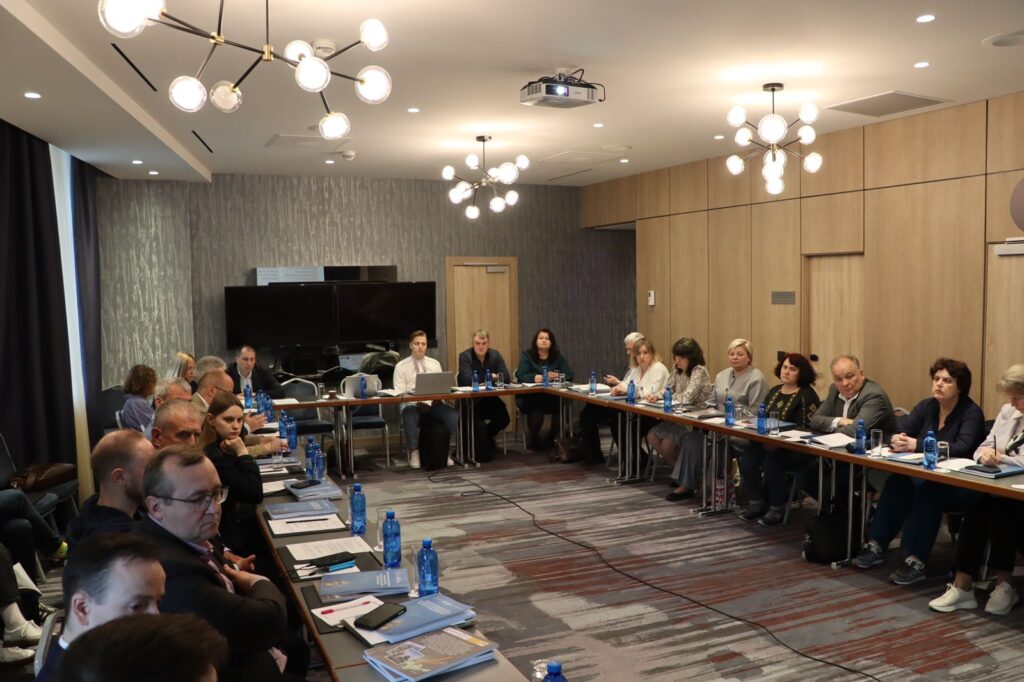
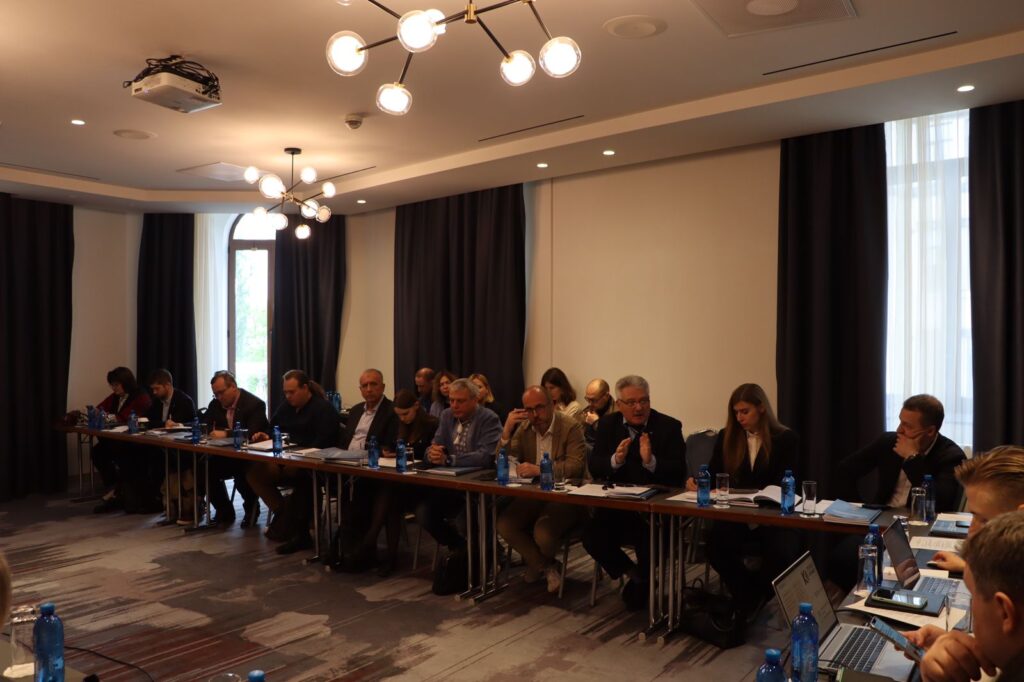
On May 27, Kyiv hosted the presentation of the study “The Ukrainian Language in Education in Temporarily Occupied Crimea: From Neglect to Discrimination.” The research materials were prepared by the NGO Crimean Center for Business and Cultural Cooperation Ukrainian House with the support of the International Renaissance Foundation, as part of the project The Right to Education in the Context of Occupied Crimea.
The presentation and discussion took place with the participation of representatives of Ukrainian civil society and government institutions, experts from the International Crimea Platform, members of the Regional Council of Ukrainians of Crimea, and Ukrainian researchers specializing in the history and current state of Ukrainians in Crimea.
The study highlights the issue of violations of educational rights and the systematic assimilation of Ukrainians in the temporarily occupied territory of the Autonomous Republic of Crimea. As part of the project, interviews were conducted with educators, experts, and internally displaced persons, who provided testimony on the development of Ukrainian-language education in Crimea before 2014 and its deliberate dismantling following the onset of the occupation. Based on the collected materials, five individuals were officially notified of suspicion under articles of the Criminal Code of Ukraine — namely, treason and collaboration. Information on an additional 26 individuals was transferred to law enforcement agencies. In total, documentation was compiled on 50 individuals involved in the destruction of Ukrainian-language education on the occupied peninsula.
In his remarks, Deputy Permanent Representative Denys Chystikov emphasized that the integration of children who have fled from occupied territories requires special attention and coordination among state institutions:
“The Mission is actively working in this area, striving to engage other state institutions. We must be prepared to integrate children arriving from Crimea into the Ukrainian space as quickly as possible. These children are our future, and it is crucial to ensure they are not lost — culturally or educationally,” said Denys Chystikov.
Denys Chystikov also emphasized the need for systematic preparation for de-occupation, particularly in the areas of education and language policy:
“This task is not only about reclaiming territory — we must clearly understand what we will inherit after de-occupation: institutions that need to be restored, people who must be reintegrated into the Ukrainian environment, and above all—education. Even today, we see the enormous amount of work required to train Ukrainian teachers and to restore the Ukrainian language in the liberated territories. Without language, there can be no identity and no integration.”
The Deputy Permanent Representative also drew attention to the erasure of the Ukrainian language from daily life in the occupied territories as one of the key pillars of the occupiers’ criminal policy.
“One of the areas we continue to research and document as part of our work is the deliberate and systematic erasure of the Ukrainian language from everyday life in the temporarily occupied territories, this includes prosecutions for sharing Ukrainian music or literature, or for the presence of Ukrainian-language content on mobile phones — even among students. Holding accountable those responsible, including so-called ‘judges’ who issue such sentences, is a crucial aspect of our documentation of the occupation regime’s crimes.”
In conclusion, the Deputy Permanent Representative drew attention to the latest forms of persecution emerging in newly occupied territories:
“A particularly alarming trend over the past year is the growing number of cases involving alleged ‘discrimination’ for using the Ukrainian language. In the newly occupied regions, we are now seeing that even the discovery of Ukrainian-language content during phone searches can serve as grounds for persecution. This has become a distinct area of research that demands our attention, as it involves gross violations of fundamental rights — freedom of speech, cultural expression, and linguistic identity.”
During the event, which included representatives of civil society, law enforcement, and state authorities, participants highlighted documented facts of criminal actions carried out by the aggressor state in the field of education in temporarily occupied Crimea. They shared updates on ongoing investigations into individuals involved in unlawful activities in the occupied territory and the opening of criminal proceedings against them. The results of monitoring the actions of so-called “officials” from the self-proclaimed “Ministry of Education, Science and Youth of the Republic of Crimea” were also presented, particularly regarding violations of the right to education.
National Council on Television and Radio Broadcasting of Ukraine